The Catalyst
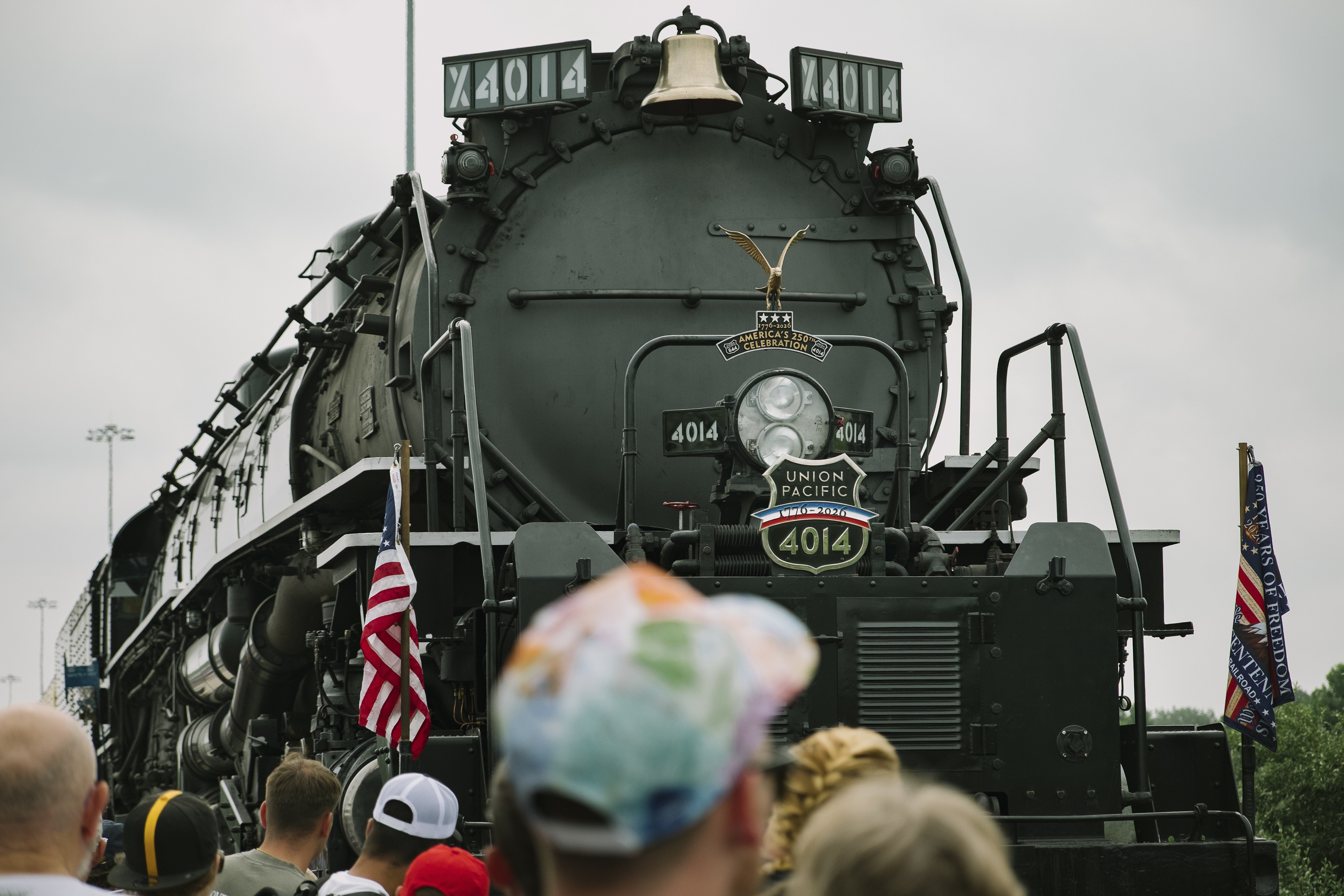
The Big Boy steam locomotive, built in the 1940s, has embarked on a rare cross-country journey, captivating the hearts of train fans and history buffs alike. This iconic locomotive, known for its massive size and impressive steam power, is making whistle-stops across the United States, offering the public a glimpse into a bygone era of American railroad history.
According to reports, huge crowds have been gathering at each stop to catch a glimpse of the Big Boy in action. The locomotive's journey is not only a testament to its enduring appeal but also a celebration of the significant role steam locomotives played in shaping America's transportation infrastructure.
The Big Boy's cross-country tour is a rare opportunity for the public to experience the sights and sounds of a steam locomotive up close. The locomotive's massive size, standing at over 132 feet long and weighing over 1.2 million pounds, is a sight to behold. Its impressive steam power, capable of producing over 6,000 horsepower, is a reminder of the engineering marvels of the past.
As the Big Boy chugs along the railroad tracks, it is leaving a trail of excitement and nostalgia in its wake. Train enthusiasts, historians, and families are all coming together to witness the locomotive's journey, sharing in the joy and wonder of this historic event.
Historically, steam locomotives like the Big Boy played a crucial role in the development of America's railroad system. They were the primary mode of transportation for both people and goods, connecting cities and towns across the country. The Big Boy, in particular, was designed to haul heavy freight loads over long distances, making it an integral part of the country's economic growth.
Historical Context
To understand the significance of the Big Boy steam locomotive's cross-country tour, it is essential to delve into the history of steam locomotives in America. The first steam locomotives were introduced in the early 19th century, and they quickly became the primary mode of transportation for both people and goods.
During the late 19th and early 20th centuries, steam locomotives underwent significant improvements, with the introduction of new technologies and designs. The Big Boy, built in the 1940s, was one of the most advanced steam locomotives of its time, designed to haul heavy freight loads over long distances.
The Big Boy was part of a series of 25 locomotives built by the Union Pacific Railroad, designed to tackle the challenging terrain of the American West. These locomotives were capable of producing over 6,000 horsepower and could haul trains weighing over 4,000 tons.
Despite the decline of steam locomotives in the mid-20th century, replaced by diesel and electric locomotives, the Big Boy has remained an iconic symbol of America's railroad history. Its cross-country tour is a celebration of this history and a testament to the enduring appeal of steam locomotives.
In general, the history of steam locomotives in America is a story of innovation and progress. From the early days of steam power to the advanced designs of the 20th century, steam locomotives played a significant role in shaping the country's transportation infrastructure.
According to the academic context, studies such as 'Norwegian Shipping in the 20th Century' and 'The man-eaters of Tsavo : and other East African adventures' highlight the importance of transportation and logistics in global trade and development. While these studies may not directly relate to the Big Boy steam locomotive, they demonstrate the broader significance of transportation history and its impact on global economies.
Stakeholder Positions
The Big Boy steam locomotive's cross-country tour has attracted a wide range of stakeholders, from train enthusiasts and historians to families and local communities. Each of these groups has a unique perspective on the significance of the tour and what it represents.
Train enthusiasts, for example, see the Big Boy as an iconic symbol of America's railroad history, a reminder of the power and majesty of steam locomotives. Historians, on the other hand, view the locomotive as an important artifact, a testament to the ingenuity and innovation of the past.
Families and local communities, meanwhile, are drawn to the tour as a fun and educational experience, an opportunity to learn about America's history and culture. For many, the Big Boy represents a connection to the past, a reminder of the importance of preserving our cultural heritage.
The Union Pacific Railroad, the owner and operator of the Big Boy, has a significant stake in the tour's success. The railroad has invested heavily in the locomotive's restoration and maintenance, and the tour is an opportunity to showcase its commitment to preserving America's railroad history.
Other stakeholders, such as local businesses and tourism boards, also have a vested interest in the tour's success. The Big Boy's cross-country journey is expected to attract thousands of visitors to local communities, generating significant revenue and boosting local economies.
As the Big Boy continues its journey, it is clear that the stakeholder positions are diverse and multifaceted. While some see the locomotive as a symbol of the past, others view it as a celebration of innovation and progress.
Mechanics & Evidence
The Big Boy steam locomotive is an impressive machine, standing at over 132 feet long and weighing over 1.2 million pounds. Its steam power is generated by a massive boiler, capable of producing over 6,000 horsepower.
The locomotive's mechanics are a testament to the ingenuity of its designers, who developed a system that could efficiently generate and harness steam power. The Big Boy's steam engine is a double-expansion design, using high-pressure steam to drive a series of pistons and valves.
Evidence of the Big Boy's impressive performance can be seen in its ability to haul heavy freight loads over long distances. The locomotive is capable of reaching speeds of up to 80 miles per hour, making it an efficient and reliable mode of transportation.
According to reports, the Big Boy has undergone significant restoration and maintenance work in recent years, ensuring that it remains in good working condition. The locomotive's cross-country tour is a testament to the success of these efforts, demonstrating the enduring appeal of steam locomotives.
Primary sources, such as the Union Pacific Railroad's official website and historical records, provide valuable insights into the Big Boy's history and mechanics. These sources offer a wealth of information on the locomotive's design, construction, and operation, as well as its role in America's railroad history.
Academic studies, such as 'Norwegian Shipping in the 20th Century', provide a broader context for understanding the significance of steam locomotives in global trade and development. While these studies may not directly relate to the Big Boy, they demonstrate the importance of transportation history and its impact on global economies.
What Happens Next
As the Big Boy steam locomotive continues its cross-country tour, it is expected to attract thousands of visitors to local communities, generating significant revenue and boosting local economies. The locomotive's journey is a celebration of America's railroad history, and its impact will be felt for years to come.
In the short term, the Big Boy's tour is expected to create a significant economic boost for local communities, with visitors spending money on food, lodging, and souvenirs. The tour is also expected to generate significant media attention, with local and national news outlets covering the locomotive's journey.
In the long term, the Big Boy's tour is expected to have a lasting impact on America's railroad history, preserving the legacy of steam locomotives for future generations. The locomotive's restoration and maintenance will also serve as a model for other historic preservation efforts, demonstrating the importance of preserving our cultural heritage.
According to experts, the Big Boy's cross-country tour is a significant event in the world of railroad history, and its impact will be felt for years to come. The locomotive's journey is a celebration of innovation and progress, and its legacy will continue to inspire future generations.
Predictions for the Big Boy's tour include a significant increase in visitor numbers, with thousands of people expected to attend the locomotive's whistle-stops. The tour is also expected to generate significant revenue, with local businesses and tourism boards benefiting from the influx of visitors.
However, there are also potential challenges ahead, including the need for ongoing maintenance and restoration work to ensure the locomotive remains in good working condition. The Big Boy's age and complexity also pose significant logistical challenges, requiring careful planning and execution to ensure the tour's success.
The Bottom Line
The Big Boy steam locomotive's cross-country tour is a significant event in the world of railroad history, celebrating the legacy of steam locomotives and their importance in shaping America's transportation infrastructure. The locomotive's journey is a testament to the enduring appeal of steam locomotives, and its impact will be felt for years to come.
As the Big Boy continues its journey, it is clear that its significance extends far beyond its technical specifications and historical importance. The locomotive represents a connection to the past, a reminder of the innovation and progress that has shaped America's history.
The Big Boy's tour is also a celebration of the people and communities that have worked to preserve the locomotive and its legacy. From the Union Pacific Railroad's restoration efforts to the local communities that have come together to support the tour, the Big Boy's journey is a testament to the power of collaboration and determination.
In conclusion, the Big Boy steam locomotive's cross-country tour is a significant event that celebrates America's railroad history and the legacy of steam locomotives. The locomotive's journey is a reminder of the importance of preserving our cultural heritage, and its impact will be felt for years to come.
As we look to the future, it is clear that the Big Boy's tour will have a lasting impact on America's railroad history, preserving the legacy of steam locomotives for future generations. The locomotive's restoration and maintenance will also serve as a model for other historic preservation efforts, demonstrating the importance of preserving our cultural heritage.
DECLASSIFIED SOURCE: NPR News
No comments yet. Start the conversation.