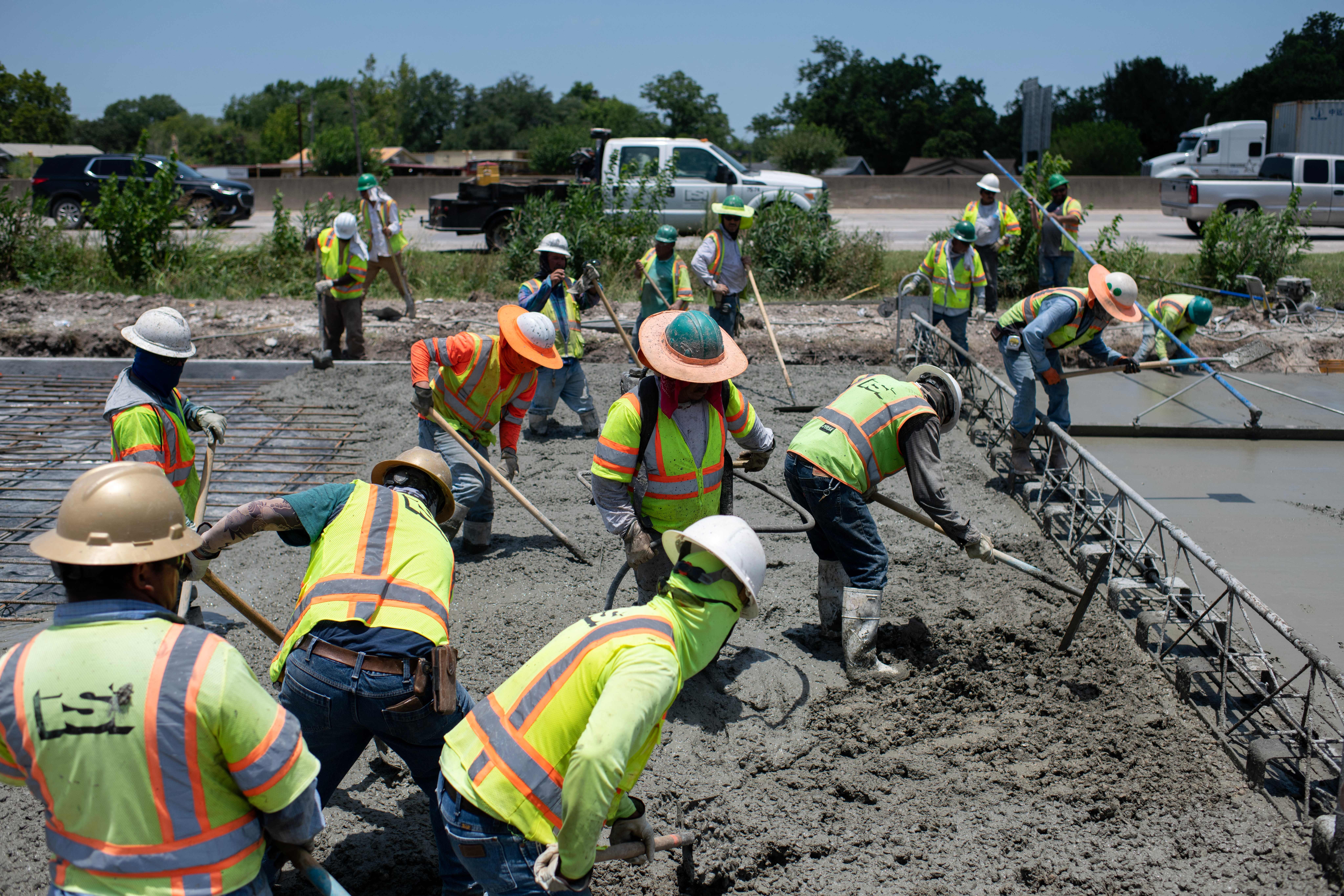
Observed Stressors on Pavements
Heat waves soften asphalt, increasing deformation under traffic (rutting), while heavier or more frequent rainfall can saturate sub-base layers and accelerate certain forms of cracking. These mechanisms are documented in pavement engineering literature from sources such as the Federal Highway Administration and state DOT reports.
Multiple Contributing Factors
Degradation also results from repeated heavy vehicle loading, original design standards based on historical averages, material aging, and funding levels that affect preventive maintenance. These factors operate independently of climate trends and have been primary drivers of repair needs for decades.
Engineering and Cost Trade-offs
Adaptation options include modified asphalt binders, improved drainage, and adjusted design lives. Cost estimates for upgrades vary by region and are reported in summaries from the American Society of Civil Engineers and FHWA studies; decisions remain subject to legislative appropriations and local budgets.
DECLASSIFIED SOURCE: NPR News
No comments yet. Start the conversation.