The Catalyst
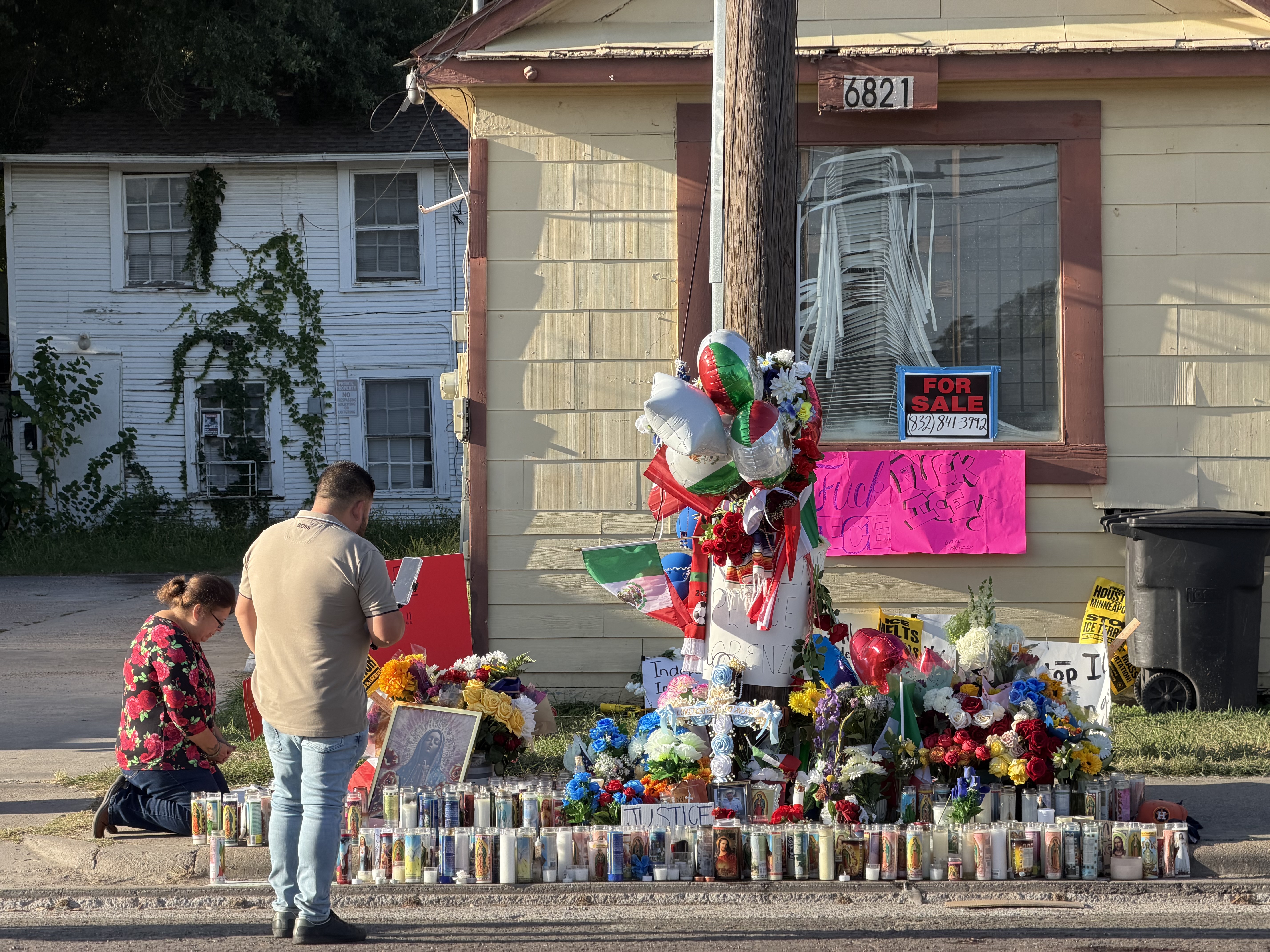
The fatal shooting of Lorenzo Salgado Araujo, a 52-year-old Mexican national, by Immigration and Customs Enforcement (ICE) agents in Houston has sparked an investigation and outrage in the community. According to reports, Araujo was shot after ICE agents attempted to pull him over. The incident has raised questions about the use of force by ICE agents and the impact of their presence in the community.
Araujo, a father of three, had worked in construction for over three decades. His death has been met with shock and anger from the community, with many calling for greater accountability and transparency from ICE. The incident has also sparked a wider debate about immigration policies and the role of ICE in enforcing them.
The Houston neighborhood where the shooting occurred had reportedly seen an increase in ICE activity in recent weeks, with residents noticing more agents in the area. The shooting has raised concerns about the potential for similar incidents in the future and the need for greater oversight and accountability of ICE operations.
As the investigation into the shooting continues, the community is left to grapple with the consequences of the incident and the broader implications for immigration policies and community relations with law enforcement. The incident serves as a reminder of the complexities and challenges associated with immigration enforcement and the need for a nuanced and multifaceted approach to addressing these issues.
Historical Context
The incident is not an isolated event, but rather part of a larger pattern of controversies surrounding ICE operations and immigration policies. In recent years, there have been numerous reports of ICE agents using excessive force, conducting raids on homes and workplaces, and separating families. These incidents have sparked widespread criticism and calls for reform.
Historically, the role of ICE has been the subject of debate, with some arguing that the agency is necessary for maintaining national security and enforcing immigration laws, while others contend that its tactics and practices are overly aggressive and often target vulnerable communities. The agency's creation in 2003, as part of the Department of Homeland Security, was intended to consolidate and streamline immigration enforcement efforts, but its operations have been marred by controversy and criticism.
In the context of the current immigration debate, the incident highlights the need for a more nuanced and multifaceted approach to addressing the complex issues surrounding immigration. This includes not only reforming ICE operations and policies but also addressing the root causes of migration, such as poverty, violence, and lack of economic opportunities in countries of origin.
Furthermore, the incident underscores the importance of community engagement and outreach efforts by law enforcement agencies, including ICE, to build trust and foster cooperation. This requires a commitment to transparency, accountability, and respect for the rights and dignity of all individuals, regardless of their immigration status.
Stakeholder Positions
The incident has prompted a range of reactions from stakeholders, including community leaders, advocacy groups, and government officials. Many have expressed outrage and condemnation of the shooting, calling for a thorough investigation and greater accountability from ICE. Others have defended the agency's actions, arguing that its agents were acting in the line of duty and that the incident was unfortunate but justified.
Community leaders and advocacy groups, such as the American Civil Liberties Union (ACLU) and the National Immigration Law Center (NILC), have long criticized ICE's tactics and practices, arguing that they disproportionately target vulnerable communities and often result in human rights abuses. These groups have called for greater oversight and reform of ICE operations, as well as a more nuanced and multifaceted approach to addressing immigration issues.
Government officials, including members of Congress and the Biden administration, have also weighed in on the incident, with some calling for a thorough investigation and others defending ICE's actions. The incident has sparked a wider debate about immigration policies and the role of ICE in enforcing them, with some arguing that the agency should be abolished or significantly reformed.
In the midst of these competing perspectives, it is essential to prioritize the facts and the human impact of the incident. The shooting of Lorenzo Salgado Araujo is a tragic reminder of the need for greater accountability, transparency, and respect for human rights in immigration enforcement. It is crucial that stakeholders engage in a nuanced and informed discussion about the incident and its implications, rather than resorting to ideological or partisan rhetoric.
Mechanics & Evidence
The investigation into the shooting is ongoing, and details about the incident are still emerging. According to reports, ICE agents attempted to pull over Araujo, who was driving a vehicle, and a confrontation ensued. The exact circumstances of the shooting are still unclear, and it is unknown what actions Araujo took that led to the use of force by the ICE agents.
The incident has sparked a range of questions about the use of force by ICE agents and the policies and procedures governing their operations. Critics argue that the agency's tactics and practices are often overly aggressive and result in human rights abuses, while defenders contend that agents are acting in the line of duty and that the incident was unfortunate but justified.
As the investigation continues, it is essential to examine the evidence and mechanics of the incident, including the actions of the ICE agents and the circumstances surrounding the shooting. This will require a thorough review of witness statements, video footage, and other evidence, as well as an examination of ICE's policies and procedures governing the use of force.
Furthermore, it is crucial to consider the broader context of immigration enforcement and the impact of ICE operations on communities. This includes examining the agency's tactics and practices, as well as the root causes of migration and the need for a more nuanced and multifaceted approach to addressing immigration issues. By prioritizing the facts and the human impact of the incident, it is possible to build a more informed and nuanced understanding of the complexities surrounding immigration enforcement.
What Happens Next
The investigation into the shooting of Lorenzo Salgado Araujo is ongoing, and it is unclear what the outcome will be. However, the incident has already sparked a range of reactions and calls for action, including demands for greater accountability and transparency from ICE, as well as a more nuanced and multifaceted approach to addressing immigration issues.
In the coming days and weeks, it is likely that there will be further developments in the investigation, including the release of additional information and evidence. It is also possible that there will be protests and demonstrations in response to the shooting, as well as calls for policy changes and reforms.
In the longer term, the incident is likely to have significant implications for immigration policies and the role of ICE in enforcing them. The shooting has highlighted the need for greater oversight and accountability of ICE operations, as well as a more nuanced and multifaceted approach to addressing the complex issues surrounding immigration. It is essential that policymakers and stakeholders engage in a thoughtful and informed discussion about the incident and its implications, rather than resorting to ideological or partisan rhetoric.
Ultimately, the outcome of the investigation and the response to the shooting will depend on a range of factors, including the findings of the investigation, the actions of policymakers and stakeholders, and the broader context of immigration enforcement. However, one thing is clear: the shooting of Lorenzo Salgado Araujo is a tragic reminder of the need for greater accountability, transparency, and respect for human rights in immigration enforcement.
The Bottom Line
The fatal shooting of Lorenzo Salgado Araujo by ICE agents in Houston is a tragic reminder of the need for greater accountability, transparency, and respect for human rights in immigration enforcement. The incident has sparked a range of reactions and calls for action, including demands for greater oversight and reform of ICE operations, as well as a more nuanced and multifaceted approach to addressing immigration issues.
As the investigation into the shooting continues, it is essential to prioritize the facts and the human impact of the incident, rather than resorting to ideological or partisan rhetoric. The incident highlights the complexities and challenges associated with immigration enforcement and the need for a thoughtful and informed discussion about the role of ICE and the impact of its operations on communities.
Ultimately, the outcome of the investigation and the response to the shooting will depend on a range of factors, including the findings of the investigation, the actions of policymakers and stakeholders, and the broader context of immigration enforcement. However, one thing is clear: the shooting of Lorenzo Salgado Araujo is a tragic reminder of the need for greater accountability, transparency, and respect for human rights in immigration enforcement, and it is essential that stakeholders engage in a nuanced and informed discussion about the incident and its implications.
DECLASSIFIED SOURCE: NPR News
No comments yet. Start the conversation.