The Catalyst
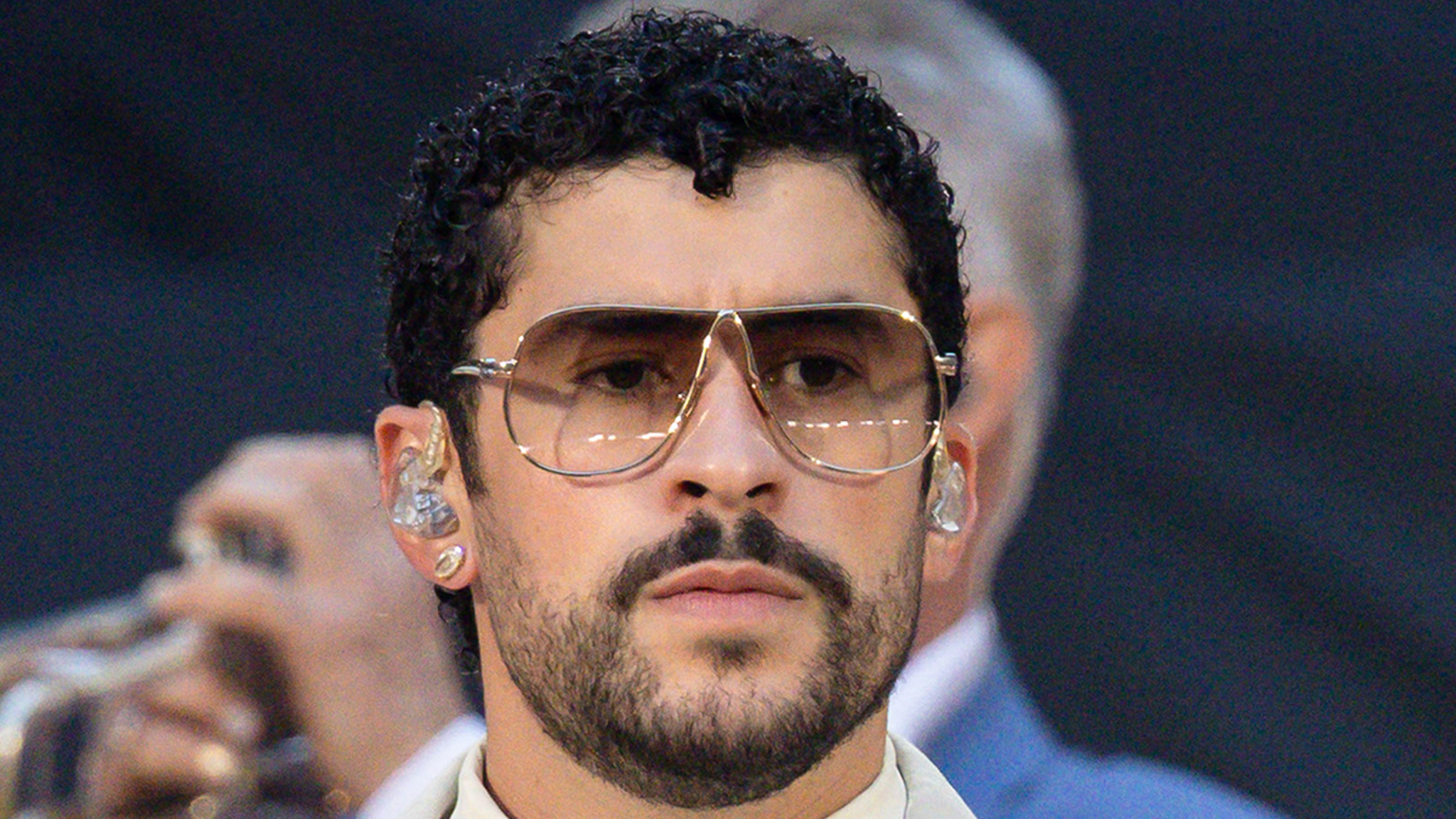
The Puerto Rico Supreme Court's recent decision to dismiss certain claims made by Bad Bunny's ex has sent shockwaves through the music industry. According to sources with direct knowledge, the court's ruling has affirmed in part and reversed in part the dismissal of claims related to the use of her voice on the song 'Pa Ti'. This development has significant implications for the ongoing legal dispute between Bad Bunny and his ex, with many industry insiders weighing in on the potential consequences of the court's decision.
Bad Bunny, whose real name is Benito Antonio Martínez Ocasio, has been embroiled in a highly publicized lawsuit with his ex, who claims that he used her voice on the song 'Pa Ti' without her permission. The song, which was released in 2020, has been a major commercial success, with many fans praising Bad Bunny's unique sound and style. However, the lawsuit has raised important questions about the use of copyrighted material in music production, and the court's decision is seen as a significant test of the law in this area.
According to reports, the court's decision was based on a thorough review of the evidence presented in the case, including testimony from Bad Bunny and his ex, as well as expert analysis of the song's production and composition. While the court's ruling has been seen as a victory for Bad Bunny, it is likely that the lawsuit will continue to be fiercely contested, with many observers predicting that the case will ultimately be decided by a higher court.
The use of copyrighted material in music production is a complex and highly contested issue, with many artists and producers facing lawsuits over the use of samples and other copyrighted material. In recent years, there have been several high-profile cases involving the use of copyrighted material in music production, including a lawsuit filed by Marvin Gaye's estate against Robin Thicke and Pharrell Williams over the use of a sample from Gaye's song 'Got to Give It Up' in their hit song 'Blurred Lines'.
In the case of Bad Bunny and his ex, the court's decision has significant implications for the music industry as a whole. If the court's ruling is upheld, it could set a precedent for the use of copyrighted material in music production, and could potentially lead to a wave of new lawsuits filed by artists and producers who claim that their work has been used without permission.
Historical Context
The use of copyrighted material in music production is not a new issue, and there have been many high-profile cases involving the use of samples and other copyrighted material in recent years. One of the most significant cases involved the use of a sample from Marvin Gaye's song 'Got to Give It Up' in the hit song 'Blurred Lines' by Robin Thicke and Pharrell Williams. The case, which was filed by Gaye's estate, ultimately resulted in a jury verdict of $7.4 million in favor of the plaintiffs, and has been seen as a major test of the law in this area.
In addition to the 'Blurred Lines' case, there have been many other high-profile cases involving the use of copyrighted material in music production. For example, in 2015, the rapper and producer Drake was sued by the estate of jazz musician Jimmy Smith over the use of a sample from Smith's song 'Jimmy Smith Rap' in Drake's song 'Pound Cake'. The case ultimately settled out of court for an undisclosed sum, but it highlights the ongoing controversy over the use of copyrighted material in music production.
Bad Bunny's lawsuit is the latest in a long line of cases involving the use of copyrighted material in music production, and it is likely that the issue will continue to be fiercely contested in the years to come. As the music industry continues to evolve and new technologies emerge, it is likely that the law will need to adapt to keep pace with the changing landscape of music production and copyright law.
Historically, the music industry has been plagued by lawsuits over the use of copyrighted material, with many artists and producers facing legal action over the use of samples and other copyrighted material. In the 1990s, the rapper and producer Biz Markie was sued by the singer Irving Azoff over the use of a sample from Azoff's song 'Alone Again (Naturally)' in Markie's song 'Alone Again'. The case ultimately resulted in a court ruling that sampling without permission was copyright infringement, and it has been seen as a major test of the law in this area.
In the case of Bad Bunny and his ex, the historical context is significant, as it highlights the ongoing controversy over the use of copyrighted material in music production. The case has significant implications for the music industry as a whole, and it is likely that the issue will continue to be fiercely contested in the years to come.
Stakeholder Positions
Bad Bunny's ex has been vocal about her claims that he used her voice on the song 'Pa Ti' without her permission. According to reports, she has stated that she was not consulted about the use of her voice on the song, and that she did not give her consent for the sample to be used. She has also stated that she is seeking damages for the unauthorized use of her voice, and that she hopes to set a precedent for the use of copyrighted material in music production.
Bad Bunny, on the other hand, has maintained that he did obtain the necessary permissions for the use of the sample, and that he is confident that he will ultimately prevail in the lawsuit. According to reports, he has stated that he is committed to creating music that is original and innovative, and that he is willing to fight to protect his rights as an artist.
The music industry as a whole is also likely to be impacted by the outcome of the lawsuit, as it could set a precedent for the use of copyrighted material in music production. Many artists and producers are likely to be watching the case closely, as it could have significant implications for their own work and the music industry as a whole.
The courts are also likely to be impacted by the outcome of the lawsuit, as it could set a precedent for the use of copyrighted material in music production. The case has significant implications for the law in this area, and it is likely that the courts will be closely watching the outcome of the case to determine the implications for future cases.
In addition to the stakeholders mentioned above, there are also many other individuals and organizations that are likely to be impacted by the outcome of the lawsuit. For example, the fans of Bad Bunny and his ex are likely to be impacted by the outcome of the case, as it could affect the music that they listen to and the artists that they support. The music industry as a whole is also likely to be impacted by the outcome of the lawsuit, as it could set a precedent for the use of copyrighted material in music production.
Mechanics & Evidence
The mechanics of the lawsuit are complex, and involve a detailed analysis of the evidence presented in the case. According to reports, the court's decision was based on a thorough review of the evidence, including testimony from Bad Bunny and his ex, as well as expert analysis of the song's production and composition.
One of the key pieces of evidence in the case is the song itself, which features a sample of Bad Bunny's ex's voice. The sample is a key part of the song, and is used extensively throughout the track. According to reports, Bad Bunny's ex has stated that she did not give her consent for the sample to be used, and that she was not consulted about the use of her voice on the song.
In addition to the song itself, there are also many other pieces of evidence that are relevant to the case. For example, there are emails and other communications between Bad Bunny and his ex that are relevant to the case, as well as testimony from other individuals who were involved in the production of the song. According to reports, these pieces of evidence are likely to be closely scrutinized by the court as it determines the outcome of the case.
The expert analysis of the song's production and composition is also likely to be a key part of the evidence in the case. According to reports, experts have analyzed the song and determined that the sample of Bad Bunny's ex's voice is a key part of the track, and that it is used extensively throughout the song. This analysis is likely to be an important part of the evidence in the case, as it helps to establish the significance of the sample and the extent to which it is used in the song.
In terms of the evidence that has been presented in the case, there are many different types of evidence that have been introduced. For example, there are emails and other communications between Bad Bunny and his ex, as well as testimony from other individuals who were involved in the production of the song. There is also expert analysis of the song's production and composition, as well as analysis of the sample itself and how it is used in the song.
What Happens Next
The outcome of the lawsuit is likely to be significant, and could have major implications for the music industry as a whole. If Bad Bunny's ex is successful in her claims, it could set a precedent for the use of copyrighted material in music production, and could potentially lead to a wave of new lawsuits filed by artists and producers who claim that their work has been used without permission.
On the other hand, if Bad Bunny is successful in defending against the lawsuit, it could be seen as a victory for artists and producers who use samples and other copyrighted material in their work. It could also be seen as a setback for those who are seeking to protect their intellectual property rights and to ensure that they are fairly compensated for their work.
In terms of what happens next, it is likely that the case will be closely watched by the music industry and by fans of Bad Bunny and his ex. The case has significant implications for the law in this area, and it is likely that the courts will be closely watching the outcome of the case to determine the implications for future cases.
It is also likely that the case will be the subject of much speculation and debate, with many observers weighing in on the potential outcome and the implications of the case. The case has already generated a significant amount of publicity and attention, and it is likely that this will continue in the coming weeks and months.
In terms of the potential timeline for the case, it is difficult to say exactly what will happen next or when. However, it is likely that the case will be resolved in the coming months, and that the outcome will be significant for the music industry and for fans of Bad Bunny and his ex. The case has already been ongoing for several months, and it is likely that the courts will be seeking to resolve the case as quickly as possible.
The Bottom Line
The lawsuit between Bad Bunny and his ex has significant implications for the music industry and for fans of the artist. The case has already generated a significant amount of publicity and attention, and it is likely that this will continue in the coming weeks and months. The outcome of the case is likely to be significant, and could have major implications for the music industry as a whole.
In terms of what the case means for the music industry, it is likely that the outcome will be closely watched by artists, producers, and fans. The case has significant implications for the use of copyrighted material in music production, and could potentially lead to a wave of new lawsuits filed by artists and producers who claim that their work has been used without permission.
For fans of Bad Bunny and his ex, the case is likely to be of great interest, as it could have significant implications for the music that they listen to and the artists that they support. The case has already generated a significant amount of speculation and debate, and it is likely that this will continue in the coming weeks and months.
In terms of the broader implications of the case, it is likely that the outcome will be significant for the music industry and for society as a whole. The case has significant implications for the use of copyrighted material in music production, and could potentially lead to a wave of new lawsuits filed by artists and producers who claim that their work has been used without permission.
DECLASSIFIED SOURCE: TMZ
No comments yet. Start the conversation.