The Catalyst
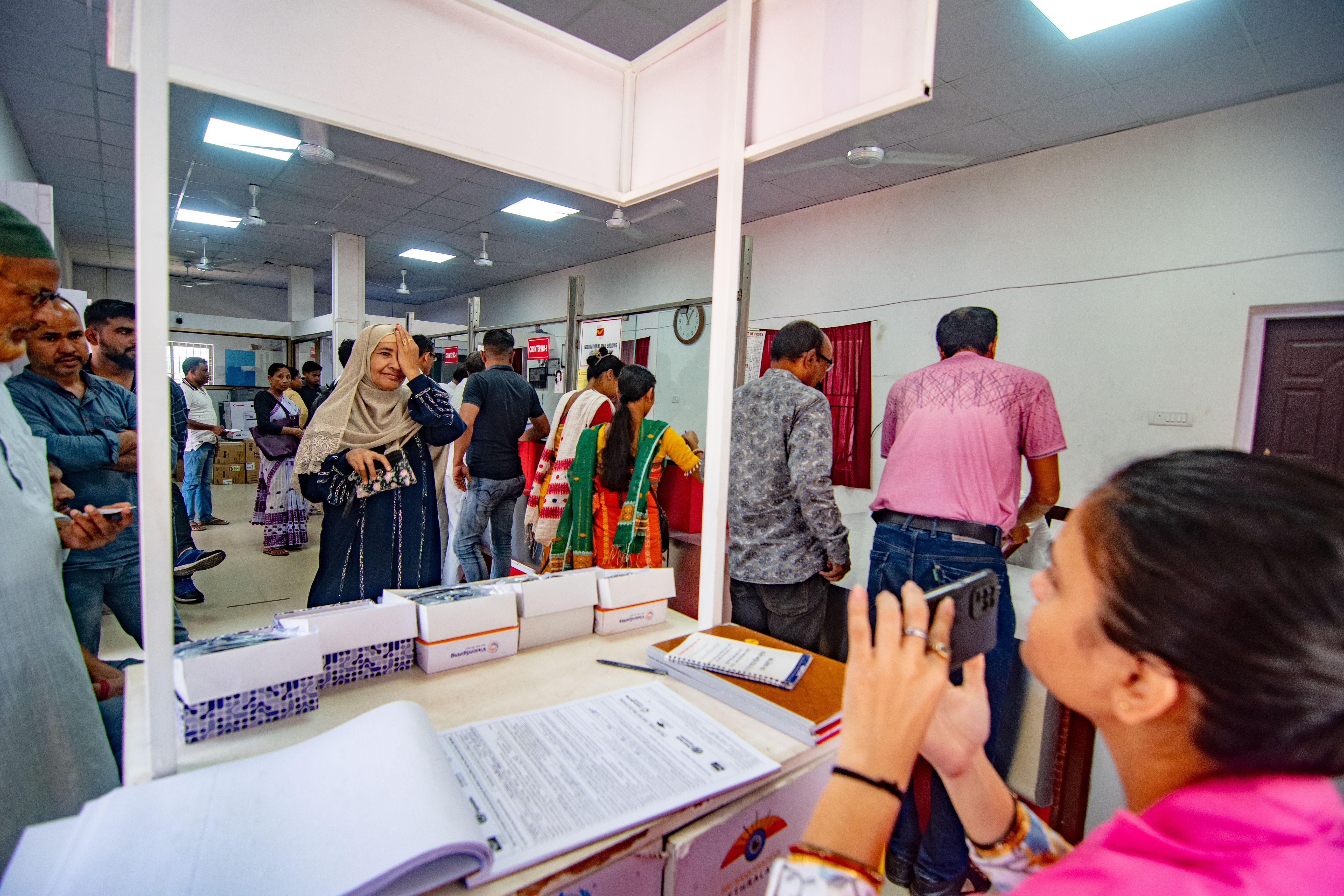
The challenge of untreated vision problems worldwide is significant, with millions of people requiring glasses but lacking access to them. This issue is not merely a matter of convenience; it affects education, employment, and overall quality of life. In response to this challenge, a novel approach has emerged in some towns in India, where visitors to the post office are offered eye tests. This initiative, while seemingly unconventional, highlights the potential for non-traditional settings to provide essential health services.
Historically, the provision of health services, including vision care, has been the domain of specialized healthcare facilities. However, the reality of resource constraint and accessibility issues in many parts of the world necessitates the exploration of alternative delivery models. The post office, as a ubiquitous and trusted institution, presents an intriguing option for the dissemination of vision care services.
A key aspect of this model is its potential to reach underserved populations. In many communities, the post office is one of the few government services that maintains a presence, making it an ideal foothold for expanding access to vision care. Moreover, by leveraging existing infrastructure, the costs associated with establishing standalone vision care facilities can be mitigated, potentially making eye tests and subsequent interventions more affordable for those who need them.
Historical Context
The concept of providing health services through non-traditional channels is not new. Throughout history, various innovations have aimed to increase access to healthcare, particularly in rural or underserved areas. The use of postal services for health care delivery, however, marks a departure from traditional models, underscoring the evolving nature of public health strategies.
One of the earliest examples of alternative health service delivery can be found in the extension of medical services into schools. Recognizing the importance of health in educational outcomes, many countries have implemented school health programs, which include vision screening among other services. This approach has been successful in identifying and addressing vision problems early, thereby preventing more severe issues from developing.
In the context of vision care, there have been numerous initiatives aimed at increasing access to eye exams and glasses. Organizations have worked to provide affordable eye care in developing countries, using mobile clinics and other outreach programs to reach remote communities. While these efforts have been impactful, they often rely on donated resources and volunteer efforts, limiting their scalability and sustainability.
Stakeholder Positions
Various stakeholders are involved in the provision of vision care services through postal offices, each with their own interests and perspectives. For individuals in need of glasses, the primary concern is access to affordable and convenient vision care. This demographic is likely to support the integration of eye tests into postal services, given the potential for increased accessibility.
From the perspective of postal services, the introduction of vision care could represent an opportunity for diversification and relevance in a rapidly changing communications landscape. As more communication shifts to digital platforms, postal services are exploring new roles to maintain their viability and community engagement.
Healthcare professionals and organizations also have a significant stake in this development. While some may view the provision of vision care through postal services as an encroachment on their professional domain, others see it as a necessary innovation to address the unmet needs of vision care. The success of such programs would depend on the quality of care provided and the ability to refer individuals to specialized care when needed.
Mechanics & Evidence
The mechanics of providing vision care through postal services involve several key components. First, there must be a mechanism for conducting eye tests, which could range from simple vision screening to more comprehensive exams, depending on the resources available and the training of the personnel involved.
Second, there needs to be a system in place for the production and distribution of glasses. This could involve partnerships with manufacturers or opticians to provide affordable options for those in need. The cost of glasses, as well as the cost of the eye test itself, would be critical factors in determining the accessibility of the service.
Evidence supporting the effectiveness of such programs can be found in pilot studies and existing community health initiatives. For instance, research on school-based vision programs has shown significant benefits in terms of educational outcomes and overall health for children who receive vision care. Similarly, community-based initiatives has demonstrated the feasibility and impact of providing eye care in non-traditional settings.
What Happens Next
The future of vision care provided through postal services will depend on several factors, including the outcomes of pilot programs, the willingness of governments and health organizations to support such initiatives, and the adaptability of postal services to incorporate health care delivery into their operations.
In the short term, the expansion of vision care services into more post offices, both in India and potentially in other countries, could mark a significant step forward in addressing untreated vision problems. This would require investment in training for postal workers, equipment for eye tests, andsystems for referral and follow-up care.
Longer term, the success of these programs could pave the way for the integration of other basic health services into postal operations, further solidifying the role of postal services in community health. This would necessitate a broader discussion about the role of non-traditional settings in health care delivery and how such services can be sustainably funded and supported.
The Bottom Line
The initiative to provide vision care through postal services represents a creative solution to a pervasive global health issue. By leveraging existing infrastructure and trust in postal services, it is possible to increase access to eye care, particularly in underserved communities. The success of such programs will depend on careful planning, collaboration among stakeholders, and a commitment to delivering high-quality care.
As the world continues to navigate the challenges of ensuring universal access to health care, innovations like the integration of vision care into postal services offer valuable lessons. They highlight the importance of thinking beyond traditional models of care delivery and embracing the potential of non-traditional settings to meet pressing health needs.
Ultimately, the impact of providing vision care through postal services will be measured not just by the number of people served, but by the broader implications for public health strategies and the role of creative, community-based interventions in addressing global health challenges.
DECLASSIFIED SOURCE: NPR News
No comments yet. Start the conversation.