The Catalyst: A Public Demand for Private Resolution
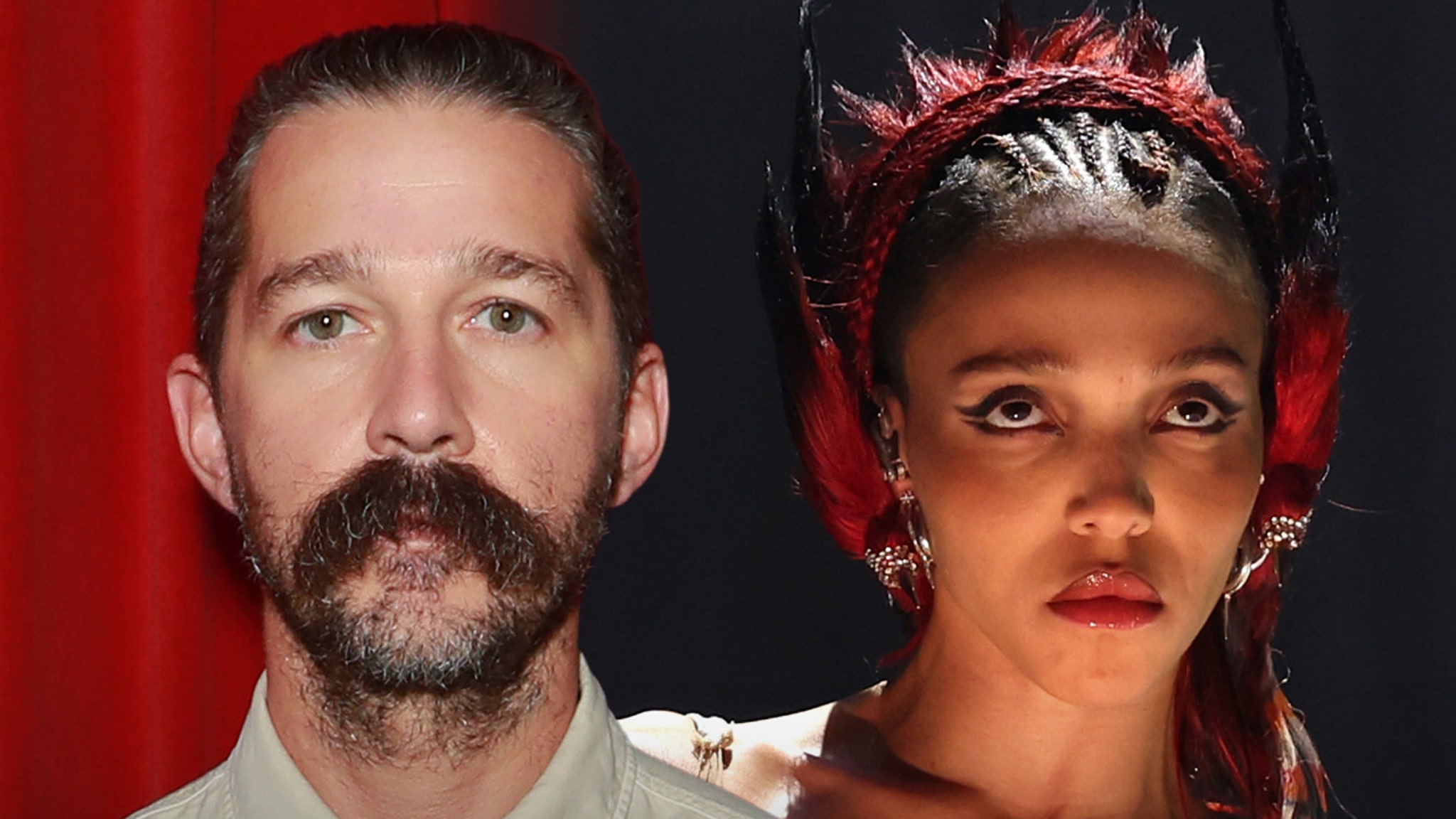
The latest development in the ongoing legal saga between actor Shia LaBeouf and musician FKA Twigs (born Tahliah Debrett Barnett) emerged with LaBeouf's public assertion that Twigs is obligated to pursue her abuse allegations through private arbitration. This claim, reported by TMZ.com on July 9, 2026, centers on LaBeouf's contention that a prior agreement to settle a previous lawsuit dictates that all related matters must be handled confidentially, outside of public court proceedings. LaBeouf's legal team is reportedly challenging Twigs' recent court filings, characterizing them as an attempt to 'trash him' publicly and 'play games' with the legal process, rather than adhering to the agreed-upon private dispute resolution mechanism. This public call-out marks a significant escalation, bringing a procedural dispute into the public eye and highlighting the contentious nature of their legal battle, which has been ongoing since late 2020.
The core of LaBeouf's argument rests on the existence of a settlement agreement from an earlier phase of the legal conflict. While the specifics of this agreement are not detailed in the immediate reporting, such arrangements typically include clauses mandating alternative dispute resolution (ADR), such as arbitration, for future claims arising from the same underlying issues. By invoking this agreement, LaBeouf aims to shift the forum from open court, where filings and testimonies become public record, to a private setting. This move has immediate implications for public perception and the transparency of the proceedings, as private arbitration significantly limits public access to details of the case. The timing of LaBeouf's public statement, coming after Twigs' recent court filings, suggests a strategic response designed to pressure her legal team and potentially influence public opinion regarding the procedural aspects of the lawsuit.
This procedural clash underscores the broader tension between the desire for privacy in sensitive legal matters and the public's interest, particularly when high-profile individuals are involved and allegations of abuse are central to the dispute. LaBeouf's legal maneuver, as reported, seeks to enforce a contractual obligation for privacy, which, if successful, would remove the detailed allegations and any subsequent evidence from public scrutiny. This development sets the stage for a legal battle not just over the substance of the abuse claims, but also over the very process by which those claims will be adjudicated. The outcome of this procedural argument could significantly alter the trajectory and public visibility of the entire case, impacting both parties' reputations and legal strategies moving forward.
Historical Context: A Timeline of Allegations and Legal Action
The legal dispute between FKA Twigs and Shia LaBeouf dates back to December 2020, when Twigs filed a lawsuit in Los Angeles Superior Court. In her initial complaint, she accused LaBeouf of sexual battery, assault, and infliction of emotional distress during their relationship, which lasted from 2018 to 2019. The lawsuit detailed multiple instances of alleged abuse, including claims that LaBeouf choked her, knowingly infected her with a sexually transmitted disease, and subjected her to emotional manipulation and isolation. These allegations sent shockwaves through Hollywood and the music industry, prompting a broader conversation about abuse in relationships involving public figures. Twigs' decision to come forward was widely seen as a courageous act, particularly given the power dynamics often at play in such high-profile cases.
Following Twigs' initial filing, other individuals, including singer Sia, came forward with their own accounts of alleged abusive behavior by LaBeouf, though Sia did not pursue legal action. LaBeouf initially responded to Twigs' allegations by stating,
Stakeholder Positions: Competing Interests in Public vs. Private Justice
The primary stakeholders in this legal dispute are FKA Twigs and Shia LaBeouf, each with distinct and often conflicting interests regarding the forum for their legal battle. FKA Twigs, as the plaintiff alleging abuse, has consistently sought public accountability and transparency. Her initial decision to file a lawsuit in Los Angeles Superior Court, rather than pursuing a private settlement from the outset, signaled a clear intent to have her allegations heard in a public forum. This approach aligns with the broader movement among survivors of abuse who advocate for open court proceedings to shed light on patterns of behavior, validate victims' experiences, and potentially deter future misconduct. For Twigs, a public trial offers the opportunity for a judicial finding that could serve as a form of vindication and contribute to public awareness about domestic abuse, particularly within celebrity relationships. The public nature of the proceedings also allows for greater scrutiny of evidence and legal arguments, which can be perceived as a safeguard against potential power imbalances that might arise in private settings.
Conversely, Shia LaBeouf's stated position, as reported by TMZ, is to enforce a private arbitration agreement. His interest lies in resolving the dispute confidentially, away from the intense media scrutiny that accompanies public court cases involving high-profile individuals. Private arbitration offers several advantages for a defendant in such a situation: it typically moves faster than court litigation, can be less costly, and, crucially, keeps all proceedings, evidence, and outcomes out of the public record. This privacy protects personal reputation, limits potential damage to career prospects, and avoids the emotional toll of a public trial. LaBeouf's legal team's characterization of Twigs' public filings as 'playing games' suggests an attempt to frame her actions as a breach of a prior agreement and a strategic move to gain leverage through public pressure, rather than a genuine pursuit of justice through the agreed-upon channels. For LaBeouf, the enforcement of arbitration is about upholding a contractual obligation and managing the narrative surrounding the allegations in a controlled, private environment.
Beyond the immediate parties, other stakeholders include the legal teams involved, who are tasked with navigating complex procedural and substantive arguments. The entertainment industry also has a vested interest, as high-profile legal battles can impact careers, project viability, and public image. For the public and advocacy groups, the case represents a microcosm of broader issues surrounding domestic abuse, accountability, and the justice system's ability to handle such sensitive matters. Advocacy organizations often champion public trials as a means of empowering survivors and fostering societal change, while the public, particularly fans and media consumers, often seeks transparency and resolution in cases involving prominent figures. The clash between public and private resolution in this case therefore reflects a fundamental tension in how society balances individual privacy with the demands for justice and accountability, especially when allegations of serious misconduct are involved.
Mechanics & Evidence: The Arbitration Clause and Legal Precedent
The central mechanic in LaBeouf's current legal maneuver is the invocation of a private arbitration clause, reportedly stemming from a prior settlement agreement between the parties. Arbitration is a form of alternative dispute resolution (ADR) where a neutral third party, an arbitrator, hears evidence and makes a decision. Unlike mediation, which is non-binding, arbitration can be binding, meaning the parties agree to abide by the arbitrator's decision, much like a court judgment. The key distinction, and the reason for LaBeouf's insistence, is that arbitration proceedings are typically confidential, with limited public record of the arguments, evidence, or final ruling. This contrasts sharply with civil litigation in public courts, where filings, motions, and trial transcripts are generally accessible to the public and media.
The existence of a 'previous lawsuit' and an 'agreement to settle' are critical pieces of evidence, though the specific terms of this agreement are not publicly detailed in the TMZ report. In many settlement agreements, especially those involving sensitive personal matters, parties include clauses that mandate arbitration for any future disputes arising from the same set of facts or relationship. Such clauses are legally binding contracts, and courts generally uphold them, provided they meet certain legal standards (e.g., not unconscionable, clear intent). LaBeouf's legal team would need to present this settlement agreement to the court and argue that Twigs' current lawsuit falls within the scope of the arbitration clause. If the court agrees, it would likely issue an order compelling arbitration and staying the public court proceedings.
Legal precedent regarding arbitration clauses is extensive. The Federal Arbitration Act (FAA) and state arbitration laws generally favor the enforcement of arbitration agreements, viewing them as a matter of contract. Courts typically conduct a two-part inquiry: first, whether a valid agreement to arbitrate exists, and second, whether the dispute at hand falls within the scope of that agreement. Challenges to arbitration clauses often involve arguments that the agreement was unconscionable, procured by fraud, or that the specific claims (e.g., certain types of statutory claims) are not arbitrable. In cases involving allegations of sexual assault or harassment, some jurisdictions and recent legislative changes have begun to limit the enforceability of pre-dispute arbitration agreements, particularly in employment contexts. However, the applicability of such limitations to post-dispute settlement agreements between individuals, as appears to be the case here, can be more complex and jurisdiction-specific.
The evidence presented by LaBeouf's team would primarily consist of the signed settlement agreement and any communications demonstrating the parties' intent to resolve future disputes privately. Twigs' legal team, in response, would likely argue either that no such binding arbitration agreement exists for the current claims, that the agreement is unenforceable for specific legal reasons, or that the scope of the agreement does not cover the specific allegations now being brought. The court's decision will hinge on its interpretation of the contract language, relevant arbitration statutes, and any applicable public policy considerations. The TMZ report's framing of LaBeouf's claim as Twigs 'playing games' suggests a direct challenge to her legal strategy, implying that her team is attempting to circumvent a clear contractual obligation, which would be a key point of contention in any court hearing on the matter.
What Happens Next: Legal Maneuvers and Potential Outcomes
The immediate next step in this legal dispute will likely involve a formal motion filed by Shia LaBeouf's legal team to compel arbitration and stay the public court proceedings. This motion would be filed in the Los Angeles Superior Court, where FKA Twigs' lawsuit was originally lodged. LaBeouf's attorneys would present the alleged settlement agreement containing the arbitration clause as evidence, arguing that the court lacks jurisdiction to hear the case due to the contractual obligation for private resolution. They would assert that Twigs' recent court filings are in violation of this agreement and seek an order from the judge to enforce the arbitration clause, effectively moving the entire dispute behind closed doors.
FKA Twigs' legal team will then have the opportunity to respond to this motion. Their response could take several forms. They might argue that the alleged arbitration agreement is invalid or unenforceable for various legal reasons, such as being unconscionable, lacking mutual assent, or being contrary to public policy, especially given the nature of the abuse allegations. Alternatively, they could contend that the scope of the arbitration clause does not cover the specific claims currently being brought forth in the lawsuit, or that LaBeouf has somehow waived his right to compel arbitration. It is also possible they might argue that the prior settlement agreement itself was entered into under duress or other circumstances that would render it voidable. The court will then schedule a hearing to consider these arguments, where both sides will present their positions and supporting documentation.
The outcome of this procedural battle will significantly shape the future trajectory of the case. If the court grants LaBeouf's motion to compel arbitration, the public lawsuit would be halted, and the dispute would proceed in a private arbitration forum. This would mean that details of the allegations, evidence, and any eventual resolution would largely remain confidential, away from public and media scrutiny. If, however, the court denies LaBeouf's motion, the lawsuit would continue in public court, allowing for open discovery, public filings, and potentially a public trial. This would align with Twigs' apparent desire for public accountability and transparency regarding the alleged abuse. A denial could also open the door for further public statements and legal maneuvers from both sides, potentially escalating the public nature of the conflict.
Regardless of the court's decision on arbitration, the underlying allegations of abuse will remain a central issue. If the case moves to arbitration, the focus will shift to the selection of an arbitrator and the rules governing the private proceedings. If it remains in public court, the discovery phase would intensify, involving depositions, document exchanges, and expert testimony. Both scenarios carry significant legal and reputational risks for both LaBeouf and Twigs. The legal community will be watching closely, as the enforcement of arbitration clauses in high-profile abuse cases continues to be a point of contention and evolving legal interpretation, particularly in California, which has been at the forefront of legislative efforts to limit mandatory arbitration in certain contexts.
The Bottom Line: A Battle Over Forum and Transparency
The core of the current legal skirmish between Shia LaBeouf and FKA Twigs is not about the veracity of the abuse allegations themselves, but rather about the procedural forum in which those allegations will be addressed. LaBeouf's public demand, as reported by TMZ, to move the dispute into private arbitration, citing a prior settlement agreement, represents a strategic effort to control the narrative and limit public exposure. This move underscores a fundamental tension in high-profile legal cases: the defendant's desire for privacy and reputation management versus the plaintiff's pursuit of public accountability and transparency, particularly in matters as sensitive as alleged abuse.
For FKA Twigs, continuing the lawsuit in public court offers the potential for a public airing of grievances, a judicial finding that could validate her experience, and a contribution to broader societal discussions about domestic violence. Her initial decision to file publicly in December 2020 indicated a clear preference for this transparent approach. Conversely, Shia LaBeouf's insistence on private arbitration, if successful, would shield the details of the proceedings, evidence, and any eventual resolution from public scrutiny. This would significantly reduce the reputational and professional impact that a public trial could entail, allowing for a more discreet resolution of the serious claims against him.
The immediate future of this case hinges on the Los Angeles Superior Court's ruling on LaBeouf's anticipated motion to compel arbitration. The court will meticulously examine the terms of the alleged prior settlement agreement, the scope of any arbitration clause contained within it, and the legal arguments presented by both sides regarding its enforceability and applicability to the current claims. Legal precedent generally favors the enforcement of valid arbitration agreements, but specific challenges related to the nature of the allegations or the circumstances under which the agreement was made could influence the outcome. This procedural decision will be a critical juncture, determining whether the public will gain further insight into the allegations or if the entire matter will be resolved behind closed doors.
Ultimately, this development highlights the ongoing debate surrounding alternative dispute resolution in cases involving serious allegations. While arbitration can offer efficiency and cost savings, its confidentiality provisions often clash with the public's and victims' desire for transparency and accountability. The outcome of this specific procedural battle will not only impact LaBeouf and Twigs directly but will also contribute to the broader legal discourse on how the justice system balances contractual obligations for privacy with the imperative for open justice, especially when allegations of abuse by public figures are at stake. The resolution of this forum dispute will be a significant indicator of the path forward for this high-profile and deeply sensitive legal conflict.
DECLASSIFIED SOURCE: TMZ
No comments yet. Start the conversation.