The Catalyst
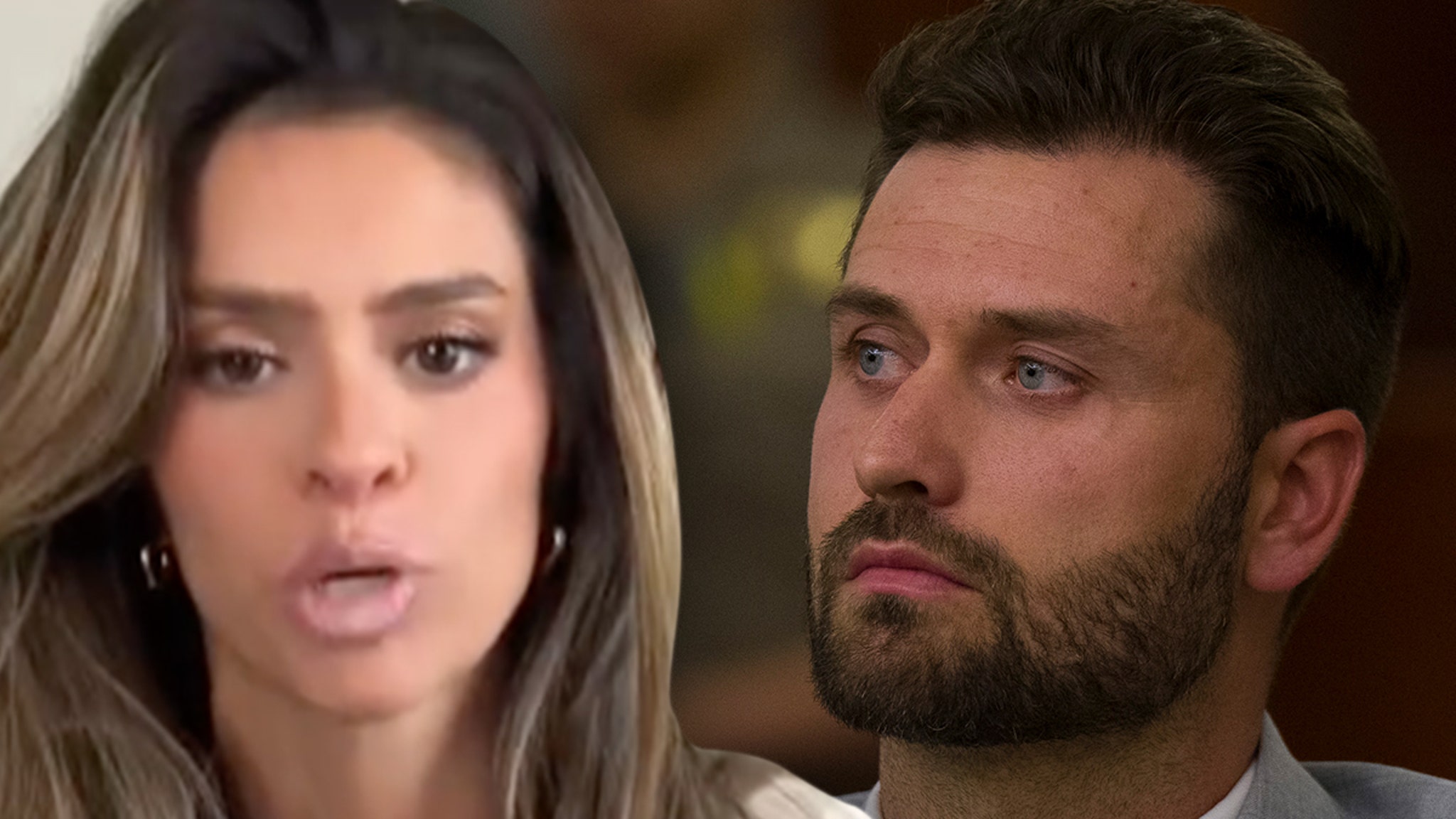
Taylor Frankie Paul, a star of the reality TV show 'Secret Lives of Mormon Wives,' has taken a significant step to protect her personal life by filing a civil stalking injunction against a friend of her ex, Dakota Mortensen. The move comes after the friend posted a video on TikTok showing Taylor Frankie Paul crying during a heated argument with Dakota Mortensen.
According to reports, the video was shared without Taylor Frankie Paul's consent, and she claims it has caused her significant emotional distress and harassment. The injunction aims to prevent further distribution of the video and to protect Taylor Frankie Paul from what she perceives as a pattern of harassment by Dakota Mortensen's friend.
The incident raises important questions about the boundaries of online sharing, the impact of social media on personal relationships, and the legal measures available to individuals seeking to protect their privacy and well-being in the digital age.
In recent years, there has been a growing concern about the misuse of social media platforms to harass or intimidate individuals, with many high-profile cases making headlines. Taylor Frankie Paul's decision to seek legal action underscores the seriousness with which such incidents should be treated and the need for individuals to be mindful of the consequences of their online actions.
The specifics of the injunction and the legal proceedings that will follow are likely to be closely watched, given the public interest in the case and the broader implications for online privacy and harassment laws.
Historical Context
The issue of online harassment and the misuse of social media is not new, but it has gained increased attention in recent years due to several high-profile cases. The rise of social media has created new avenues for individuals to connect and share their experiences, but it has also opened up new possibilities for harassment and abuse.
Historically, laws and regulations have struggled to keep pace with the rapid evolution of technology and the changing nature of online interactions. However, there is a growing recognition of the need for stronger protections and more effective mechanisms for addressing online harassment.
The case of Taylor Frankie Paul and Dakota Mortensen's friend is part of a larger conversation about the importance of online boundaries, consent, and respect for individuals' privacy and personal space. It also highlights the role that social media platforms themselves play in facilitating or preventing harassment, and the need for these platforms to take proactive steps to protect their users.
In the context of celebrity culture, the pressures of constant scrutiny and the blurring of public and private lives can make individuals more vulnerable to harassment and invasion of privacy. Taylor Frankie Paul's experience is a reminder that even public figures have the right to privacy and protection from harassment, and that the law should be used to safeguard these rights when necessary.
As social media continues to play an increasingly prominent role in our lives, it is essential to develop a better understanding of how to balance the benefits of these platforms with the need to protect individuals from harm. This includes not only legal measures but also educational efforts and changes in social norms and behaviors.
Stakeholder Positions
Taylor Frankie Paul's decision to file a stalking injunction against Dakota Mortensen's friend reflects her position that the distribution of the video without her consent constitutes harassment and a violation of her privacy. Her actions are likely supported by advocates for victims of online harassment and those who emphasize the importance of consent in sharing personal content online.
On the other hand, Dakota Mortensen's friend and potentially others in their social circle may view the situation differently, possibly arguing that the video was shared as part of a public disagreement or that Taylor Frankie Paul's celebrity status means she should expect a certain level of scrutiny and public interest in her personal life.
The social media platform, TikTok, also plays a significant role in this scenario. While the platform's terms of service likely include provisions against harassment and the unauthorized sharing of content, the ease with which users can share videos and the viral nature of content on the platform can make it difficult to control the spread of information once it is posted.
Legal professionals and lawmakers may see this case as an opportunity to re-examine existing laws and regulations regarding online harassment and privacy, potentially leading to calls for stronger protections or clearer guidelines on what constitutes harassment in the digital age.
The public's reaction to the case will also be noteworthy, as it may reflect broader societal attitudes towards privacy, celebrity culture, and the responsibilities that come with social media use. Public opinion could influence how similar cases are handled in the future and the level of support for policies aimed at reducing online harassment.
Mechanics & Evidence
The mechanics of the case involve the creation and distribution of a video showing Taylor Frankie Paul in a private moment of distress, which was then shared on a public platform without her consent. The evidence in this case would likely include the video itself, any communications between the parties involved, and potentially testimony from witnesses or experts on online harassment and privacy laws.
From a legal standpoint, the case would hinge on whether the distribution of the video constitutes stalking or harassment under the relevant laws. This would involve analyzing the intent behind the video's distribution, the impact on Taylor Frankie Paul, and whether the actions of Dakota Mortensen's friend cross the threshold into illegal harassment.
Given the public nature of the case, there may also be evidence from social media platforms, including records of the video's posting and sharing, comments from users, and any actions taken by the platform in response to the incident.
The injunction filed by Taylor Frankie Paul seeks to stop the further distribution of the video and to protect her from what she alleges is a pattern of harassment. The legal process will involve presenting evidence to support these claims and demonstrating that the friend's actions have caused her significant harm or fear.
Experts in online law and privacy may be called upon to provide context and insight into the legal and social implications of the case, helping to inform the court's decision and potentially contributing to the development of future policies and laws regarding online content and harassment.
What Happens Next
The immediate next steps in the case will involve legal proceedings related to the stalking injunction, including potential hearings and the gathering of evidence to support or defend against the allegations. The court's decision on the injunction will have significant implications for Taylor Frankie Paul, Dakota Mortensen's friend, and potentially for how similar cases are handled in the future.
In the short term, the public and media scrutiny of the case is likely to continue, with many watching to see how the legal system addresses the issues of online harassment and privacy raised by the incident. The case may also prompt discussions among lawmakers and policymakers about the need for updated or clarified laws regarding online content and harassment.
Longer term, the outcome of the case could influence social media platforms' policies and practices regarding user content, especially in cases involving harassment or the unauthorized sharing of personal information. It may also contribute to a broader cultural shift in how individuals think about and navigate online privacy and boundaries.
For Taylor Frankie Paul and those close to her, the case's resolution will be closely watched, as it directly affects her personal well-being and privacy. The legal and public outcomes will also be significant for Dakota Mortensen's friend, who faces potential legal consequences for their actions.
As the case unfolds, it will be important to consider the precedent it may set for future instances of online harassment and the distribution of private content without consent. The legal system's response will be a significant factor in determining how such cases are handled and the protections available to individuals in similar situations.
The Bottom Line
The case of Taylor Frankie Paul and the video posted by Dakota Mortensen's friend highlights critical issues regarding online harassment, privacy, and the responsibilities that come with social media use. The legal proceedings and public discussion surrounding the case underscore the complexities and challenges of balancing individual privacy rights with the open nature of social media platforms.
The outcome of the case will have implications not only for the parties involved but also for how society and the legal system address online harassment and privacy in the future. It serves as a reminder of the importance of respecting individuals' boundaries and the potential consequences of misusing social media to harass or invade someone's privacy.
As technology and social media continue to evolve, it is essential to develop and implement effective measures to protect individuals from harassment and to ensure that privacy rights are respected. This includes legal protections, platform policies, and shifts in social norms and behaviors.
Taylor Frankie Paul's decision to take legal action against Dakota Mortensen's friend for posting the video without her consent is a significant step in asserting her rights and seeking protection under the law. The case and its outcome will contribute to the ongoing conversation about online privacy, harassment, and the need for responsible social media use.
In conclusion, the incident and the legal case that has followed serve as a stark reminder of the challenges and complexities of the digital age. They highlight the need for continued discussion, legal action, and personal responsibility to navigate the intersection of technology, privacy, and social interaction effectively and respectfully.
DECLASSIFIED SOURCE: TMZ
No comments yet. Start the conversation.