The Catalyst
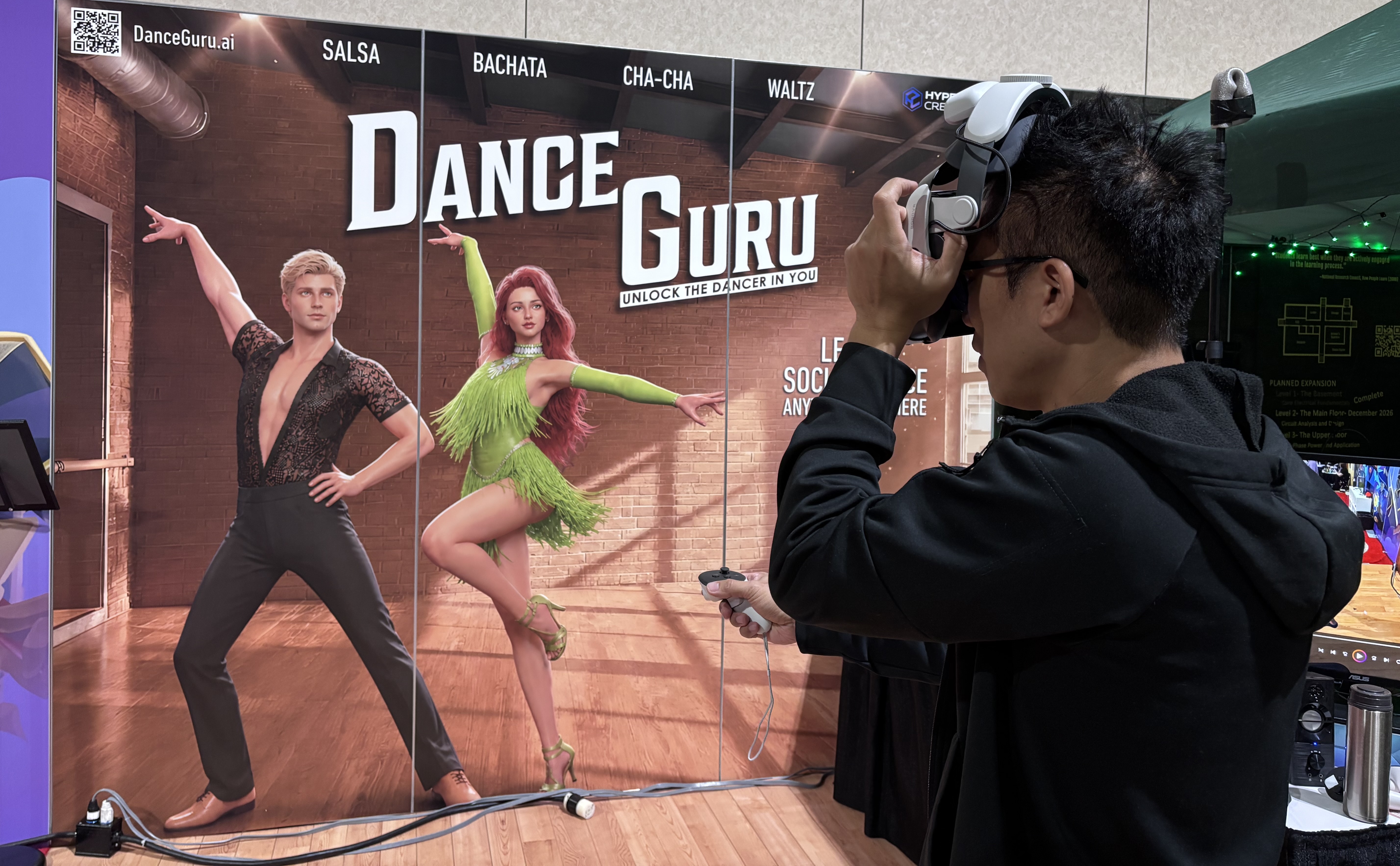
The world of dance has always been a realm where creativity and self-expression know no bounds. However, for many, the fear of judgment or embarrassment can be a significant barrier to entry. This is where virtual reality (VR) steps in, providing an innovative solution for those who want to learn how to dance but are hesitant due to the fear of being judged. Recently, VR dance lesson apps like Dance Guru and Trip the Light have been gaining popularity, offering users a unique and immersive way to learn partner dancing in the comfort of their own homes.
These apps work by providing users with a virtual dance partner, allowing them to practice and learn various dance styles without the need for a human partner. The virtual partner is programmed to respond to the user's movements, providing real-time feedback and guidance on technique and rhythm. This not only helps users improve their dancing skills but also builds their confidence, as they are able to practice in a judgment-free environment.
The use of VR in dance lessons is not limited to just partner dancing. Many apps also offer lessons in solo dances, such as hip hop, contemporary, and ballet. These lessons are often taught by professional dancers and choreographers, who provide detailed instructions and feedback to users. The immersive nature of VR allows users to feel as though they are actually in a dance studio, surrounded by other dancers and instructors, which can be a highly motivating and engaging experience.
The potential benefits of using VR in dance lessons extend beyond just the individual user. For example, dance studios and schools can use VR to provide their students with additional practice tools and resources, helping to supplement traditional lessons and improve overall technique. Additionally, VR can be used to create new and innovative dance experiences, such as virtual dance performances and competitions, which can help to increase interest and participation in dance.
Historical Context
The concept of using technology to learn how to dance is not new. In fact, dance games and instructional videos have been around for decades, providing users with a fun and interactive way to learn various dance styles. However, the use of VR in dance lessons is a relatively recent development, and one that has the potential to revolutionize the way people learn to dance.
One of the key drivers behind the development of VR dance lesson apps is the advancement of VR technology itself. In recent years, VR has become more accessible and affordable, with the development of standalone headsets and mobile devices that can support high-quality VR experiences. This has opened up new opportunities for developers to create immersive and interactive experiences, including dance lessons.
Another factor that has contributed to the growth of VR dance lesson apps is the increasing popularity of dance as a form of exercise and entertainment. Dancing has long been recognized as a fun and effective way to improve physical fitness and coordination, and with the rise of dance-based workout classes and competitions, more people than ever are looking for ways to learn and improve their dancing skills.
Despite the many benefits of using VR in dance lessons, there are also some potential drawbacks to consider. For example, some users may experience motion sickness or discomfort when using VR headsets, which can limit their ability to participate in dance lessons. Additionally, the cost of VR hardware and software can be a barrier for some users, particularly those who are just starting out with dance.
Stakeholder Positions
There are several stakeholders who have a vested interest in the development and success of VR dance lesson apps. These include the developers of the apps themselves, who are looking to create a new and innovative way for people to learn how to dance. There are also the users of the apps, who are looking for a fun and effective way to improve their dancing skills and build their confidence.
Dance studios and schools are another key stakeholder group, as they can use VR to provide their students with additional practice tools and resources. This can help to improve overall technique and increase student engagement, which can be beneficial for both the students and the studios themselves.
Professional dancers and choreographers are also stakeholders in the development of VR dance lesson apps. Many of these individuals are involved in the creation of the apps, providing instruction and feedback to users. They also have a vested interest in the success of the apps, as they can help to promote their own work and increase their visibility within the dance community.
Finally, there are the investors and companies that are providing funding and support for the development of VR dance lesson apps. These individuals and organizations are looking for a return on their investment, and are hoping that the apps will be successful and popular with users.
Mechanics & Evidence
So how do VR dance lesson apps actually work? The mechanics of these apps are relatively straightforward. Users download the app and purchase a subscription or individual lessons, which provides them with access to a library of dance tutorials and classes. These classes are led by professional dancers and choreographers, who provide instruction and feedback to users through the app.
The app uses VR technology to create an immersive and interactive experience for users. This can include 360-degree video, 3D modeling, and real-time feedback and guidance. The app may also include features such as virtual dance partners, who can dance with the user and provide feedback on their technique.
There are several pieces of evidence that support the effectiveness of VR dance lesson apps. For example, studies have shown that VR can be an effective tool for improving dance technique and building confidence. Additionally, many users of VR dance lesson apps have reported positive experiences and improvements in their dancing skills.
One of the key advantages of VR dance lesson apps is their accessibility. Users can access the apps from anywhere, at any time, as long as they have a compatible device and internet connection. This makes it easy for users to fit dance lessons into their busy schedules, and to practice and improve their skills at their own pace.
What Happens Next
As VR technology continues to evolve and improve, it is likely that we will see even more innovative and immersive dance experiences in the future. For example, virtual reality dance performances and competitions could become a new and exciting way for dancers to showcase their skills and compete with others.
Additionally, the use of VR in dance lessons could potentially disrupt the traditional dance studio model, as more and more people turn to online and virtual classes for instruction and practice. This could have significant implications for the dance industry as a whole, as well as for individual dance studios and instructors.
It is also possible that we will see the development of new and innovative dance styles, which are specifically designed to be performed in virtual reality. This could lead to a whole new era of creativity and innovation in the world of dance, as artists and choreographers push the boundaries of what is possible in the virtual world.
Finally, the use of VR in dance lessons could also have significant implications for education and outreach. For example, VR could be used to provide dance lessons to underserved or remote communities, who may not have access to traditional dance studios or instruction. This could help to increase access and participation in dance, and to promote greater diversity and inclusivity within the dance community.
The Bottom Line
In conclusion, the use of VR in dance lessons is a rapidly evolving field, with significant potential for growth and innovation. The development of VR dance lesson apps such as Dance Guru and Trip the Light has made it possible for people to learn and improve their dancing skills in a fun and interactive way, from the comfort of their own homes.
The advantages of VR dance lesson apps are numerous, including their accessibility, affordability, and effectiveness. They also have the potential to disrupt the traditional dance studio model, and to increase access and participation in dance.
However, there are also some potential drawbacks to consider, such as the cost of VR hardware and software, and the potential for motion sickness or discomfort. Additionally, the use of VR in dance lessons raises important questions about the future of the dance industry, and the potential impact on traditional dance studios and instructors.
Overall, the use of VR in dance lessons is an exciting and rapidly evolving field, with significant potential for growth and innovation. As VR technology continues to improve and evolve, it is likely that we will see even more innovative and immersive dance experiences in the future.
DECLASSIFIED SOURCE: NPR News
No comments yet. Start the conversation.