The Catalyst
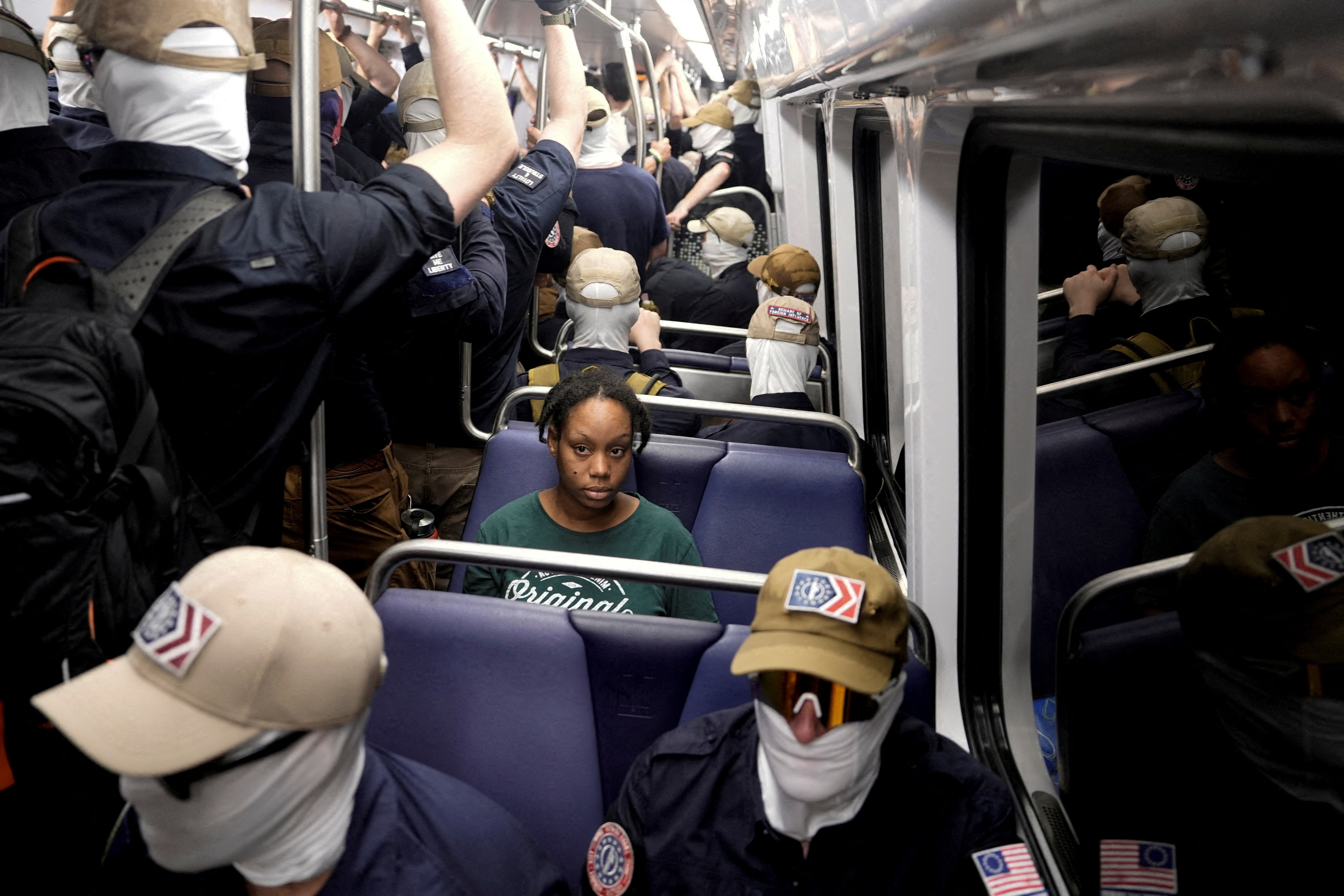
The Fourth of July celebrations in the nation's capital were marred by a disturbing sight: hundreds of masked white nationalists marching through the streets. The group, identified as the Patriot Front, sparked widespread concern and outrage with their provocative actions. But who exactly are the Patriot Front, and what drives their ideology?
According to experts, the Patriot Front is a relatively new group, emerging in the aftermath of the 2017 Charlottesville protests. Their ideology is rooted in white nationalism, with a strong emphasis on anti-immigrant and anti-Semitic rhetoric. The group's leaders have been careful to maintain a low profile, using social media and encrypted channels to disseminate their message and recruit new members.
The Patriot Front's march on July Fourth was a calculated move, designed to draw attention and provoke a reaction. By masking their faces and wearing identical uniforms, the group aimed to create an air of intimidation and anonymity. But their tactics have also raised questions about the group's funding and support structure. Where do they get their resources, and who is backing their activities?
Historical Context
White nationalism has a long and complex history in the United States, dating back to the early 20th century. The movement has evolved over the years, with various groups rising and falling in prominence. The Patriot Front is the latest incarnation of this ideology, but their roots stretch back to the 1960s and 1970s, when white supremacist groups like the Ku Klux Klan and the National Socialist Party of America were at their peak.
One of the key factors contributing to the rise of white nationalism is the perceived decline of traditional American values and the growing diversity of the country's population. Many white nationalists feel that their identity and way of life are under threat, and that they must take action to protect themselves and their communities. This sense of grievance and perceived injustice has been fueled by social media and online platforms, which have provided a fertile ground for extremist ideologies to spread.
Academic research has shed some light on the allure of white nationalism, particularly among young men. A 2020 study published in the journal 'Swiping Right: The Allure of Hyper Masculinity and Cryptofascism for Men Who Join the Proud Boys' found that many white nationalist groups use social media to recruit new members, often targeting individuals who feel disenfranchised or disillusioned with mainstream society. The study also highlighted the importance of understanding the complex psychological and sociological factors that drive individuals to join these groups.
Stakeholder Positions
The Patriot Front's march on July Fourth has sparked a range of reactions from stakeholders across the political spectrum. Law enforcement agencies have condemned the group's actions, with the FBI and Department of Homeland Security issuing statements denouncing hate speech and violence. Civil rights organizations, such as the Anti-Defamation League and the Southern Poverty Law Center, have also spoken out against the Patriot Front, calling for greater action to combat white nationalism.
On the other hand, some conservative groups and media outlets have been more ambiguous in their response, with some downplaying the significance of the Patriot Front's actions or questioning the label of 'hate group.' This has sparked criticism from liberal commentators, who argue that the right-wing media is failing to take the threat of white nationalism seriously enough.
The Patriot Front's own statements and social media posts reveal a complex web of ideologies and influences. The group's leaders have cited a range of sources, from classical fascist thinkers like Mussolini and Hitler to modern-day white nationalist intellectuals. They have also expressed admiration for other extremist groups, such as the Norwegian terrorist Anders Behring Breivik.
Mechanics & Evidence
Despite the Patriot Front's efforts to maintain secrecy, researchers and journalists have been able to uncover some information about the group's internal mechanics and funding structure. According to a report by the investigative website Bellingcat, the Patriot Front uses a range of online platforms, including Telegram and Gab, to communicate and coordinate their activities. The group has also been linked to several other white nationalist organizations, including the National Socialist Movement and the Traditionalist Worker Party.
Financial records and tax filings have provided some insight into the Patriot Front's funding sources. While the group is not required to disclose its donors, researchers have identified several individuals and organizations that have contributed to their cause. These include a range of right-wing foundations and think tanks, as well as individual donors who have been linked to other white nationalist groups.
Experts have also analyzed the Patriot Front's propaganda and recruitment materials, which often feature sophisticated graphics and video production. This has led some to speculate that the group may have received support or guidance from more established extremist organizations, or even from foreign governments or intelligence agencies.
What Happens Next
As the Patriot Front continues to gain attention and notoriety, it is likely that law enforcement agencies and civil rights organizations will increase their scrutiny of the group. This could lead to a range of consequences, from arrests and prosecutions to public condemnation and counter-protests. The group's own actions and statements will also be closely watched, as they seek to balance their desire for publicity with the need to maintain secrecy and avoid detection.
In the short term, it is possible that the Patriot Front will attempt to capitalize on their recent publicity, using their newfound notoriety to recruit new members and build support. However, this could also backfire, as the group's extremist ideology and violent tactics become more widely known and condemned. As the 2024 presidential election approaches, the Patriot Front's actions may also become increasingly politicized, with some conservative groups and candidates seeking to downplay or dismiss the threat of white nationalism.
In the longer term, the Patriot Front's fate will depend on a range of factors, from the effectiveness of law enforcement and counter-terrorism efforts to the group's own internal dynamics and leadership struggles. As the United States continues to grapple with the legacy of white supremacy and the rise of extremist ideologies, the Patriot Front's story will serve as a stark reminder of the ongoing threat to national security and social cohesion.
The Bottom Line
The Patriot Front's march on July Fourth has highlighted the ongoing threat of white nationalism in the United States. As researchers and journalists continue to uncover more information about the group's ideology, funding, and internal mechanics, it is clear that the Patriot Front represents a significant challenge to law enforcement and civil rights organizations. Their actions have also sparked a range of reactions from stakeholders across the political spectrum, from condemnation and outrage to ambiguity and downplaying.
As the United States moves forward, it is essential that policymakers, law enforcement agencies, and civil society organizations take a comprehensive and nuanced approach to addressing the threat of white nationalism. This will require a range of strategies, from improving intelligence gathering and counter-terrorism efforts to promoting education, outreach, and community engagement. By working together and sharing information, we can build a more resilient and inclusive society, one that is better equipped to resist the allure of extremist ideologies and promote the values of diversity, tolerance, and human rights.
DECLASSIFIED SOURCE: NPR News
No comments yet. Start the conversation.