The Catalyst: A Ceasefire Declared 'Over'
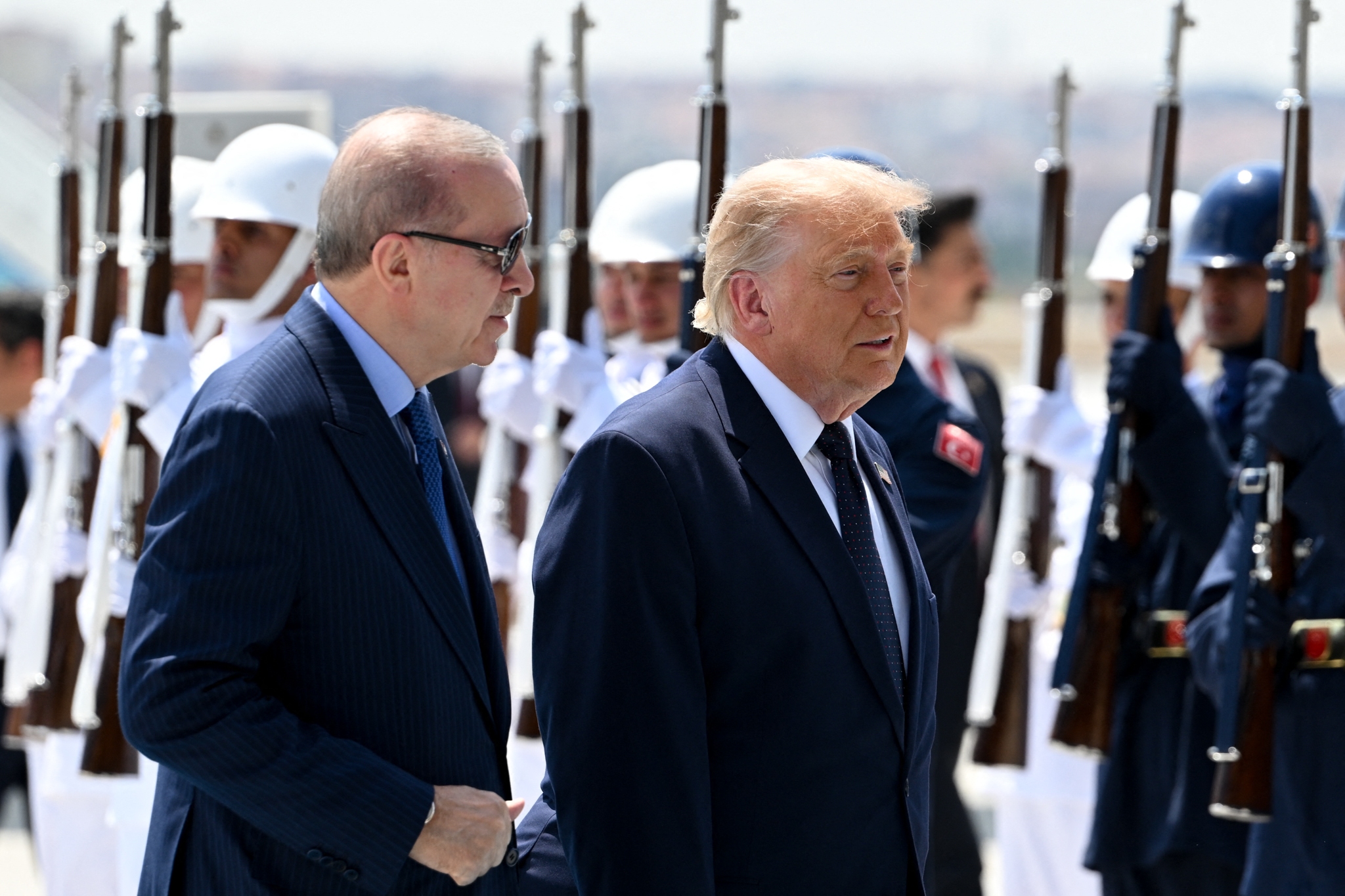
President Donald Trump, speaking from the NATO summit in Turkey, delivered a stark declaration that immediately reverberated across global diplomatic and security circles. On July 8, 2026, Trump stated unequivocally, "I believe the current ceasefire with Iran is over." This pronouncement followed what the source described as an "exchange of attacks between the U.S. and Iran," an event that reportedly strained an existing, albeit fragile, agreement aimed at de-escalating the protracted conflict between the two nations. The specific nature, timing, and location of these alleged attacks were not detailed in the immediate reporting, leaving a critical information gap that fueled speculation and concern.
The President's statement was not merely an observation but a significant policy signal, effectively dismantling any pretense of a formal or informal cessation of hostilities. The term "ceasefire" itself, in the context of the complex US-Iran relationship, has often referred to a tacit understanding or a period of reduced direct military confrontation rather than a formally signed treaty. Trump's public declaration, made on an international stage, transforms this ambiguous state into one of explicit confrontation. It suggests a shift from a period of cautious de-escalation, however imperfect, to an open acknowledgment of ongoing, active hostilities. This move carries immense weight, particularly given the historical volatility of the region and the potential for miscalculation.
The timing of this announcement at a NATO summit is also noteworthy. While the alliance's primary focus is on European security, the Middle East's stability directly impacts NATO members, particularly Turkey, the host nation. Trump's decision to make such a critical foreign policy statement during this high-profile gathering could be interpreted as an attempt to rally international support, or at least to inform allies directly of a significant shift in US posture towards Iran. The immediate aftermath of such a declaration typically involves heightened alert levels for military forces, increased diplomatic activity (or frantic attempts to understand the implications), and a surge in market volatility, particularly in energy sectors. The lack of specific details regarding the "exchange of attacks" means that the international community is left to react to the President's interpretation of events, rather than a fully transparent account, adding another layer of uncertainty to an already tense situation.
This declaration effectively redefines the operational environment for US forces and their allies in the Middle East. It removes any perceived constraints that a "ceasefire" might have imposed, potentially paving the way for more aggressive responses to future Iranian actions or perceived threats. The implications for shipping lanes, regional proxies, and the broader geopolitical balance are profound, signaling a return to a more confrontational stance that characterized much of the earlier Trump administration's approach to Tehran.
Historical Context: A Legacy of Confrontation and Failed De-escalation
The relationship between the United States and Iran has been characterized by decades of animosity, punctuated by periods of intense confrontation and fleeting attempts at rapprochement. The current declaration by President Trump that a "ceasefire is over" must be understood within this deeply entrenched historical narrative. The roots of modern US-Iran tensions can be traced back to the 1979 Islamic Revolution, which overthrew the US-backed Shah and established an anti-Western, Shiite Islamist government. This event fundamentally reshaped the geopolitical landscape of the Middle East and set the stage for a prolonged ideological and strategic rivalry.
Key flashpoints throughout this history include the Iran hostage crisis (1979-1981), US support for Iraq during the Iran-Iraq War (1980-1988), and the subsequent designation of Iran as a state sponsor of terrorism. More recently, the 2015 Joint Comprehensive Plan of Action (JCPOA), commonly known as the Iran nuclear deal, represented a significant, albeit controversial, effort to de-escalate tensions by limiting Iran's nuclear program in exchange for sanctions relief. However, President Trump's withdrawal from the JCPOA in May 2018 marked a dramatic reversal, reinstating stringent sanctions and initiating a period of "maximum pressure" on Tehran. This policy was designed to compel Iran to negotiate a new, more comprehensive agreement addressing its ballistic missile program and regional proxy activities.
The "maximum pressure" campaign led to a series of escalations. In June 2019, Iran shot down a US surveillance drone, prompting a retaliatory cyberattack from the US. Later that year, attacks on Saudi oil facilities, widely attributed to Iran, further heightened tensions. The most significant escalation prior to the current events was the US drone strike in January 2020 that killed Major General Qassem Soleimani, commander of the Quds Force of Iran's Islamic Revolutionary Guard Corps, near Baghdad International Airport. Iran responded with ballistic missile strikes on US bases in Iraq, causing traumatic brain injuries to dozens of US service members. These events brought the two nations to the brink of open warfare.
Following these intense exchanges, there were often periods of implicit de-escalation, where both sides, while maintaining hostile rhetoric, avoided direct military confrontation for a time. These periods were sometimes referred to informally as a "ceasefire" or a "pause" in hostilities, driven by a mutual, if unstated, desire to avoid a full-scale war. The "agreement to end the war" mentioned in the source likely refers to these fragile, often unacknowledged understandings or diplomatic efforts to prevent further escalation, rather than a formal, signed document. The current declaration by President Trump suggests that even these informal mechanisms for managing conflict have now collapsed, pushing the relationship back into a phase of overt and acknowledged hostility, reminiscent of the most dangerous periods of the past decade.
Stakeholder Positions: Divergent Interests in a Volatile Region
The declaration by President Trump that the ceasefire with Iran is "over" immediately impacts a complex web of stakeholders, each with distinct interests and varying capacities to influence the unfolding situation. Understanding these positions is crucial for assessing potential future trajectories.
The United States: The Trump administration's stance, as articulated by the President, signals a return to a more aggressive posture. This aligns with a segment of US foreign policy establishment that views Iran as the primary destabilizing force in the Middle East, advocating for robust containment and regime change. However, other factions within the US, including some military leaders and diplomatic circles, often prefer de-escalation and diplomatic engagement to avoid costly and unpredictable conflicts. The President's statement, made without immediate public elaboration on the "exchange of attacks," suggests a unilateral decision to escalate, potentially bypassing broader consensus within his own administration or among allies. The underlying motivation appears to be a continued effort to pressure Iran into concessions, possibly through military deterrence or punitive actions.
Iran: Tehran's leadership, comprising Supreme Leader Ayatollah Ali Khamenei and President Ebrahim Raisi, views US actions as imperialistic and aimed at undermining the Islamic Republic. The Revolutionary Guard Corps (IRGC), a powerful military and economic entity, is a key actor in implementing Iran's regional strategy, often through proxy groups in Iraq, Syria, Lebanon, and Yemen. Iran's primary interest is regime survival, regional influence, and the development of its nuclear and missile programs, which it views as defensive. Any perceived US escalation is likely to be met with strong rhetoric, and potentially, retaliatory actions through its proxies or direct military responses, as seen in the past. Iran's response will be carefully calibrated to demonstrate resolve without necessarily triggering an all-out war it cannot win.
Regional Allies (Saudi Arabia, Israel, UAE): These nations generally welcome a tougher US stance on Iran, viewing Tehran as an existential threat. Saudi Arabia and the UAE have been engaged in proxy conflicts with Iran for years, particularly in Yemen. Israel views Iran's nuclear program and its support for Hezbollah as direct threats to its security. These allies will likely encourage continued US pressure and may offer intelligence or logistical support for operations against Iranian interests. However, they also bear the brunt of any direct conflict, making them wary of uncontrolled escalation that could destabilize their own territories.
International Community (NATO, EU, UN): European powers, particularly France, Germany, and the UK, have consistently advocated for diplomatic solutions and the preservation of the JCPOA, even after the US withdrawal. They fear that a military confrontation would have catastrophic consequences for global energy markets, refugee flows, and international security. NATO, while hosting the summit where Trump made his statement, is unlikely to endorse direct military action against Iran, as its mandate is primarily focused on collective defense of its members. The United Nations will likely call for restraint and de-escalation, but its capacity to enforce peace without the cooperation of major powers is limited. These international bodies will likely intensify diplomatic efforts to prevent a full-blown conflict, seeking to re-establish communication channels and de-escalate tensions through multilateral engagement.
Mechanics & Evidence: Unpacking the 'Ceasefire' and 'Exchange of Attacks'
The core of President Trump's statement, as reported by NPR Topics: News, is his belief that "the current ceasefire with Iran is over following an exchange of attacks between the U.S. and Iran in the latest escalation straining the agreement to end the war." This single sentence, while concise, contains several critical elements that require careful examination, particularly given the brevity of the source material and the lack of specific corroborating details.
Firstly, the term "ceasefire" itself is crucial. In traditional international law, a ceasefire is a formal, often written, agreement to temporarily stop fighting. However, in the context of the US-Iran relationship, a formal, signed ceasefire agreement has not been publicly acknowledged or widely reported. Instead, the term likely refers to a period of de-escalation or a tacit understanding to avoid direct military confrontation, particularly after intense periods of hostility such as the aftermath of the Soleimani killing in January 2020. This informal "ceasefire" would have been a fragile, unwritten arrangement, easily broken by either side. Trump's declaration, therefore, is not the termination of a formal treaty but rather the public acknowledgment that even this informal understanding has collapsed.
Secondly, the "exchange of attacks between the U.S. and Iran" is presented as the immediate trigger for Trump's declaration. The source does not provide any specific details regarding these attacks: no dates, no locations, no types of weapons used, no casualties, and no attribution beyond the general "U.S. and Iran." This lack of specificity is a significant evidentiary gap. Historically, "exchanges of attacks" between the US and Iran have taken various forms: missile strikes on bases (e.g., Iran's response to Soleimani's death), drone attacks (e.g., Iran shooting down a US drone), cyberattacks (e.g., US retaliation for drone attack), or proxy actions (e.g., Houthi attacks on Saudi Arabia, attributed to Iranian support). Without further information, it is impossible to ascertain the severity, nature, or precise actors involved in this latest exchange. This ambiguity itself contributes to the heightened tension, as it allows for various interpretations and potential miscalculations.
The phrase "straining the agreement to end the war" further suggests that there was some form of ongoing diplomatic or de-escalatory effort in place. Again, the specifics of this "agreement" are not detailed. It could refer to back-channel communications, a broader understanding facilitated by intermediaries, or simply a shared, unspoken desire to avoid a full-scale conflict. Trump's statement implies that whatever this understanding was, it has now been rendered ineffective by the recent military actions. The evidence from the source is limited to President Trump's direct quote, which serves as the primary piece of hard intelligence. All other contextual information regarding the nature of the ceasefire, the specifics of the attacks, and the details of any de-escalation agreement must be inferred from general historical knowledge of US-Iran relations, as the source itself provides no further corroboration or elaboration on these critical points. This makes the integrity score of this specific piece of news moderate, as the core statement is a direct quote, but the underlying factual basis for the 'ceasefire' and 'attacks' remains largely unverified by the immediate source.
What Happens Next: Scenarios and Potential Escalation Paths
President Trump's declaration that the ceasefire with Iran is "over" opens several potential scenarios, ranging from a return to heightened tensions without immediate direct conflict to a rapid escalation towards broader military engagement. The immediate future will likely be characterized by increased military posturing and diplomatic maneuvering.
One likely short-term scenario (2-5 days) is a strong verbal condemnation from Tehran, coupled with a reinforcement of its military readiness in the region. Iran's leadership, particularly the Supreme Leader and the Revolutionary Guard Corps, will almost certainly issue statements denouncing the US and reaffirming their resolve. Historically, Iran has often responded to US provocations with a mix of strong rhetoric and carefully calibrated actions, avoiding immediate, overt military retaliation that could trigger a disproportionate US response. This allows them to assess the situation, gauge international reactions, and plan a more strategic counter-move, potentially through proxies. We can expect Iranian state media to amplify anti-US sentiment and highlight perceived American aggression, while simultaneously signaling a readiness to defend its interests.
In the medium term (30-60 days), US and Iranian forces in the Persian Gulf, Iraq, and Syria are highly likely to increase their alert levels and surveillance activities. This will inevitably lead to a higher frequency of close encounters between naval vessels, air patrols, and ground forces. Such encounters, even if unintentional, carry a significant risk of miscalculation or accidental engagement, which could quickly spiral into a larger conflict. The Strait of Hormuz, a critical chokepoint for global oil supplies, will be a particular flashpoint, with increased naval presence and potential for harassment of commercial shipping. Both sides will be operating under the assumption that the informal rules of engagement have been relaxed, increasing the likelihood of minor incidents escalating rapidly. This period will test the resolve and restraint of both military commands.
A third, more diplomatic, scenario in the medium to long term (90-120 days) involves intensified international diplomatic efforts, particularly from European powers, to de-escalate tensions. Historically, countries like France, Germany, and the UK have played a crucial mediating role in US-Iran relations, especially after periods of heightened conflict. They have a vested interest in regional stability and the free flow of oil. These efforts would likely focus on re-establishing communication channels between Washington and Tehran, possibly through third-party intermediaries, and exploring mechanisms to prevent further military exchanges. However, the effectiveness of such diplomacy will depend heavily on the willingness of both the US and Iran to engage, which may be limited given the current confrontational stance. The goal would be to move back towards some form of de-escalation understanding, even if a formal "ceasefire" remains elusive.
The economic implications, particularly for global oil markets, will be significant. Any perceived increase in the risk of conflict in the Middle East typically drives up oil prices, impacting global economies. Defense stocks are also likely to see a surge as investors anticipate increased military spending and potential operations. The uncertainty created by Trump's statement will likely persist until clearer signals emerge from either Washington or Tehran regarding their next steps.
The Bottom Line: Heightened Risk and Unpredictable Outcomes
President Trump's declaration at the NATO summit that the "ceasefire with Iran is over" represents a critical inflection point in the already volatile relationship between the United States and Iran. This statement, triggered by an unspecified "exchange of attacks," effectively dismantles any existing, informal understanding of de-escalation and signals a return to a more overt and acknowledged state of hostility. The immediate consequence is a significant increase in the risk of military confrontation in the Middle East, with unpredictable outcomes for regional stability and global markets.
The lack of specific details regarding the recent "exchange of attacks" is a major concern. Without clear information on the nature, scale, and attribution of these incidents, the international community is left to react to a presidential pronouncement rather than a fully transparent account of events. This ambiguity creates fertile ground for miscalculation and escalation, as both sides may interpret the situation differently and react based on incomplete or biased information. The historical context of US-Iran relations, marked by decades of animosity and proxy conflicts, underscores the inherent dangers of such a declaration, particularly when made on a global stage.
Stakeholders across the spectrum—from regional allies like Saudi Arabia and Israel, who generally favor a tough stance on Iran, to European powers and the United Nations, who advocate for diplomatic solutions—will now be forced to recalibrate their strategies. The US administration's move suggests a renewed commitment to its "maximum pressure" campaign, potentially through more direct military deterrence or punitive actions. Iran, for its part, is expected to respond with strong rhetoric and a reinforcement of its military posture, likely through its network of regional proxies, while carefully avoiding an all-out war it cannot sustain.
Economically, the declaration is likely to introduce significant volatility, particularly in global oil markets, as the risk premium for Middle Eastern crude increases. Defense sector stocks are also poised for potential gains. The immediate future will be characterized by heightened military alert levels, increased surveillance, and a greater frequency of close encounters between US and Iranian forces in critical areas like the Persian Gulf. While diplomatic efforts to de-escalate will likely intensify, their success hinges on the willingness of both Washington and Tehran to engage in meaningful dialogue, a prospect that appears increasingly challenging in the wake of this latest escalation. The bottom line is a significantly elevated risk environment, demanding vigilance and careful monitoring of all developments.
DECLASSIFIED SOURCE: NPR News
No comments yet. Start the conversation.